by allen | Jun 30, 2026 | tool steel
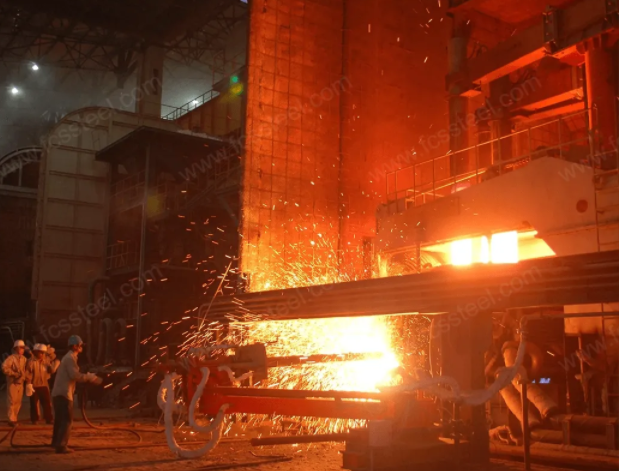
Introduction: Most tool steel defects don’t announce themselves at the receiving dock. They hide. They wait. Then they surface at the worst possible moment — mid-machining, mid-heat treatment, or worse, inside a finished mold that took weeks to build. The real...

by allen | Jun 29, 2026 | tool steel
What Is a Tool Steel Grade EquivalentA tool steel grade equivalent chart maps material designations across national standards like AISI, DIN, JIS, GB, and GOST based on overlapping chemistry and heat treatment responses. But here is the catch: “equivalent”...
by allen | Jun 16, 2026 | tool steel
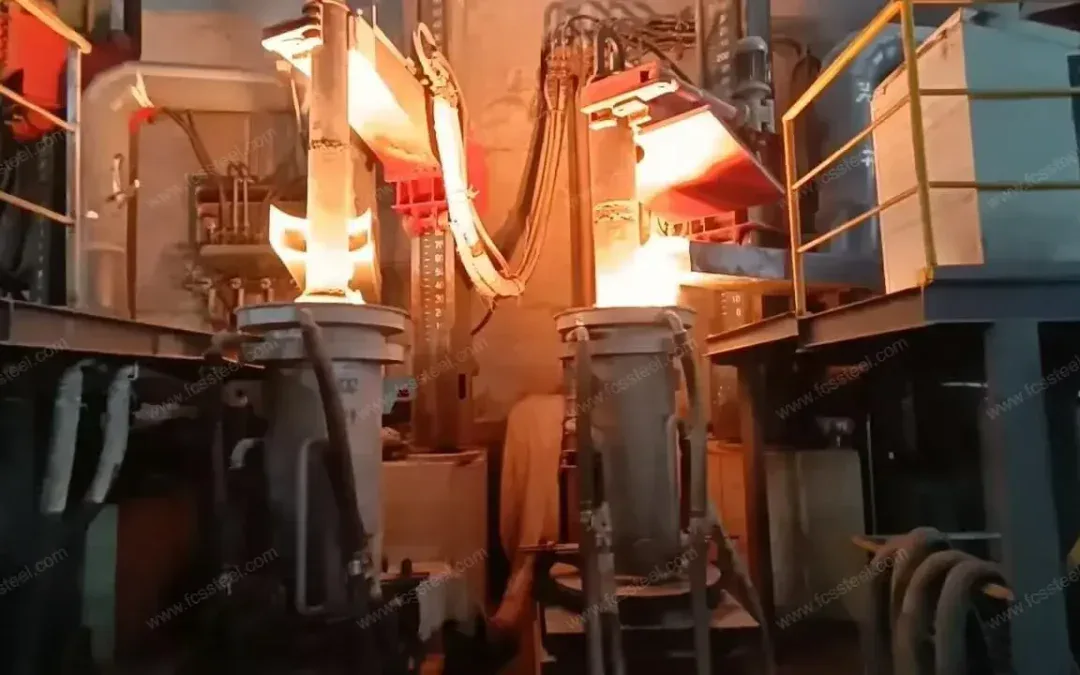
Introduction When buyers evaluate Tool steel, they often compare grade designations, hardness values, and Chemical Composition certificates. While these factors are important, they do not fully explain why two pieces of the same steel grade can perform very...
by allen | Jun 12, 2026 | tool steel
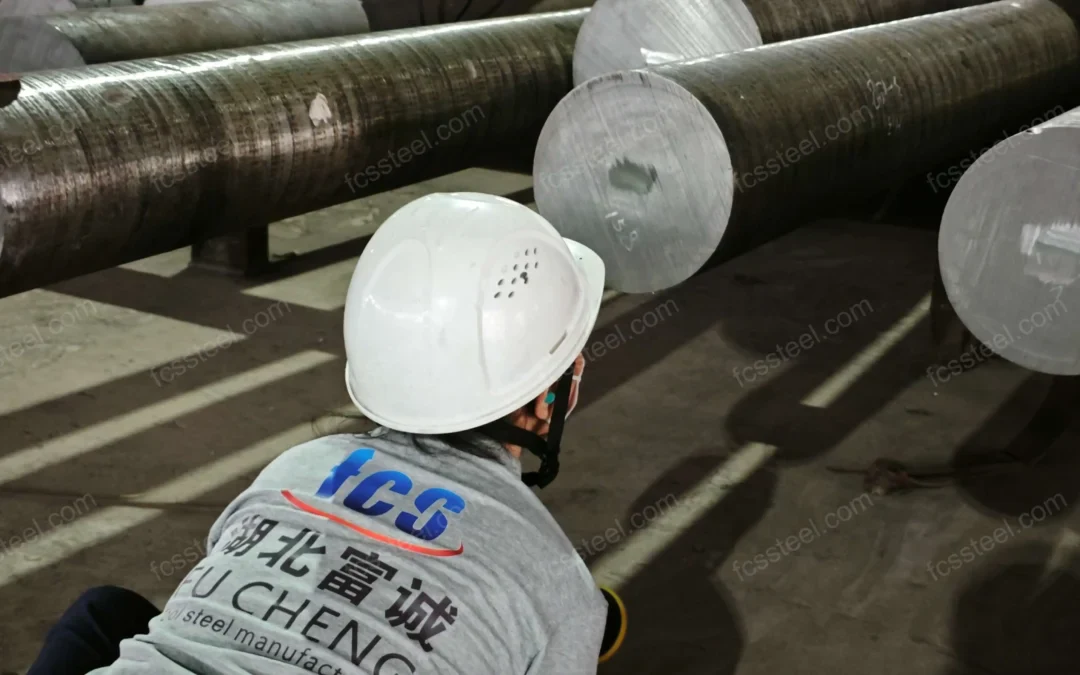
Introduction: Poor tool steel choices cost you big money.Take a batch of D2 or H13 steel. It might pass a standard visual check. The mill certificate might look fine. But it can still shatter on the press after a few thousand cycles. This event drains your tooling...

by allen | Jun 3, 2026 | tool steel
Every tool that cuts, forms, or shapes another material depends on steel built — at the molecular level — to handle extreme conditions. That steel doesn’t happen by accident. It goes through a carefully controlled production chain, and each stage shapes the...
by allen | Jun 1, 2026 | tool steel
A die cracks at 50,000 cycles, and people start pointing fingers. The truth? The alloy chemistry works fine. The melting method causes the real problem. You need to know the clear differences between ESR and EAF tool steel. This knowledge goes beyond classroom theory....