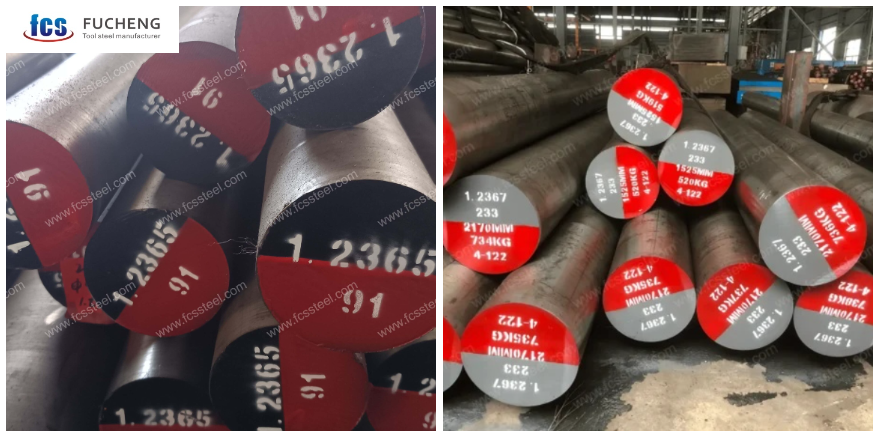
by allen | Feb 18, 2026 | hot work tool steel
Introduction: Choosing between 1.2365 and 1.2367 steel matters more than you might think. The right choice can boost your production efficiency and save money. The wrong one? You get a tool that just does the job without any real benefits. Both are German-grade cold...
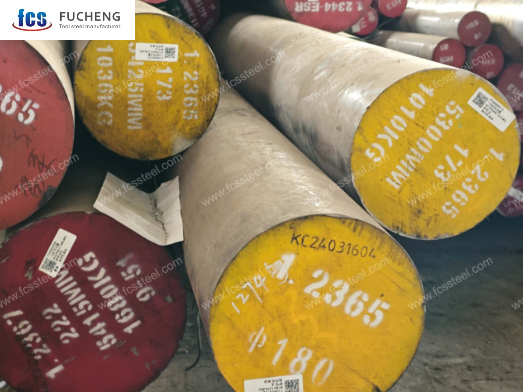
by allen | Feb 16, 2026 | hot work tool steel
Introduction: Production costs depend on tool longevity. Reject rates cut into profit margins. So choosing between 1.2365 steel ESR and conventional ingot steel isn’t just a material spec—it’s a business decision with real financial impact. The electroslag...
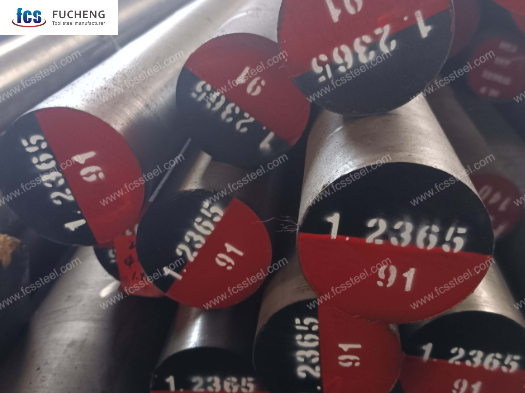
by allen | Feb 16, 2026 | hot work tool steel
Introduction: Choosing steel grades for tough industrial jobs? You need the full material profile. This applies to tools, dies, and high-stress parts. 1.2365 (32CrMoV12-28) steel is a hot work tool steel. It contains chromium, molybdenum, and vanadinum alloys. This...
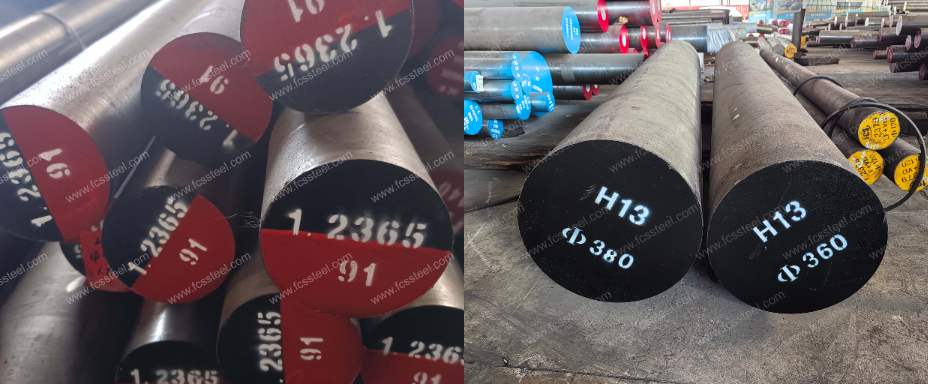
by allen | Feb 11, 2026 | hot work tool steel
Introduction: Stuck choosing between 1.2365 and 1.2714 steel for your die blocks? A bad call leads to cracked dies and unexpected downtime. You also risk wasting budget on over-spec materials. The breakdown is simple. 1.2365 handles high heat and abrasion easily. But...
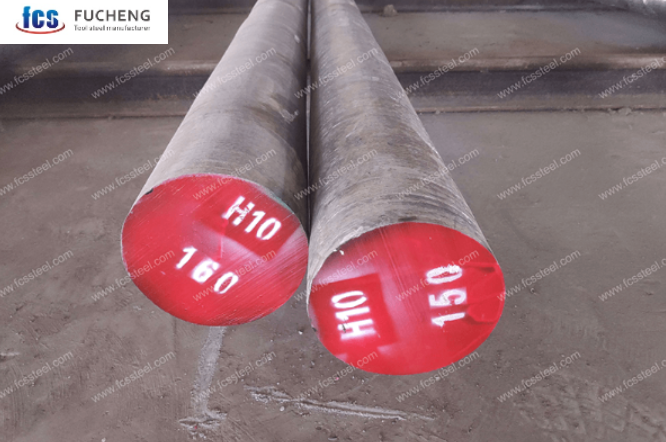
by allen | Feb 9, 2026 | hot work tool steel
Introduction:Sourcing 1.2365 (H10) hot work tool steel is not a routine purchasing task. This grade sits in a narrow window between performance and process control. Small deviations in chemistry, melting practice, or heat treatment response can translate into shorter...
by allen | Feb 5, 2026 | hot work tool steel
High-temperature tooling can fail early. It cracks under thermal stress. It loses hardness during long die casting runs. The steel grade you pick can become an expensive mistake. Manufacturers want longer die life. They need consistent performance above 600°C. This...