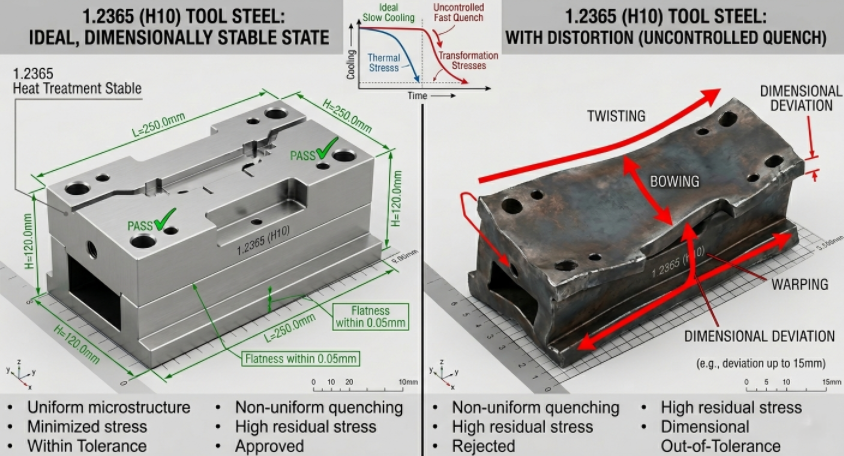
by allen | Feb 27, 2026 | hot work tool steel
Distortion doesn’t announce itself. It shows up after hardening, after finishing — sometimes after the part is already in the customer’s hands. For a steel as capable as 1.2365, that’s a painful way to lose work you’ve already put in. The good...
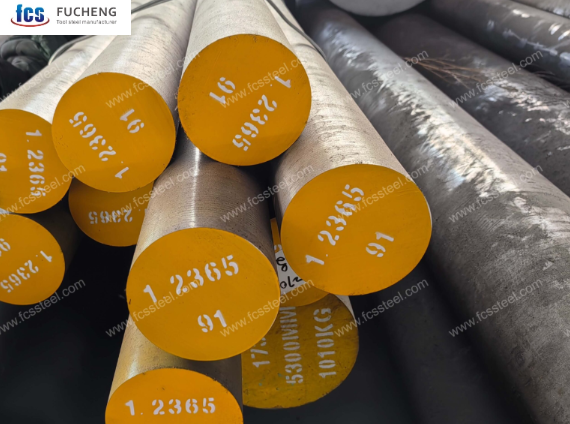
by allen | Feb 24, 2026 | hot work tool steel
A hot stamping die that cracks ahead of schedule costs thousands of dollars. Downtime piles up. Replacement parts drain the budget. Production targets get missed. For automotive manufacturers running high-volume press-hardening lines, that’s not a risk worth...
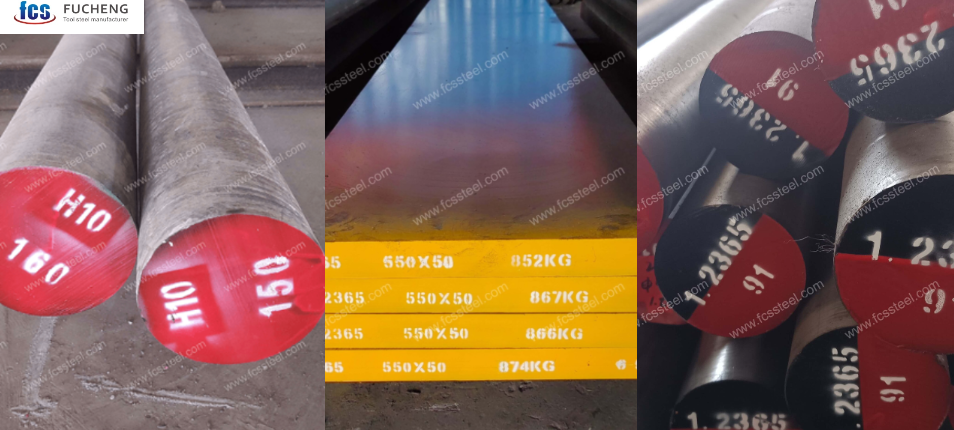
by allen | Feb 20, 2026 | hot work tool steel
Introduction: Tool Steel Standards Explained International tool steel standards confuse many buyers. Mismatched names make sourcing hard. But here is the simple fact: DIN 1.2365 works exactly like AISI H10 and JIS SKD7 steel. These Chromium-Molybdenum-Vanadium hot...
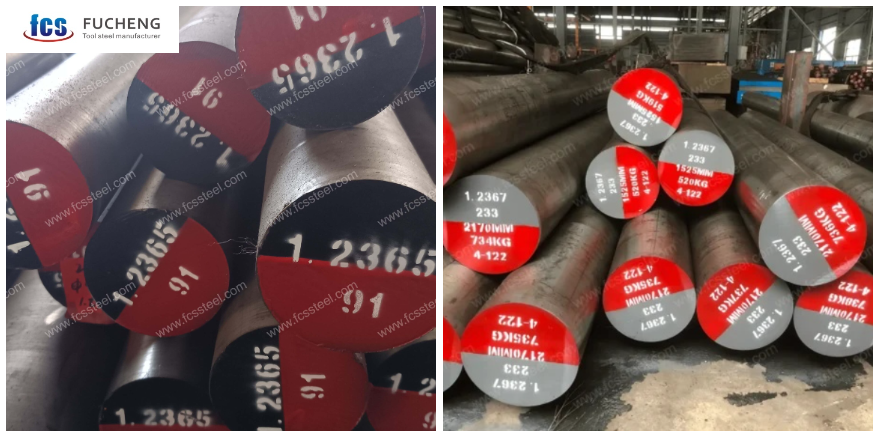
by allen | Feb 18, 2026 | hot work tool steel
Introduction: Choosing between 1.2365 and 1.2367 steel matters more than you might think. The right choice can boost your production efficiency and save money. The wrong one? You get a tool that just does the job without any real benefits. Both are German-grade cold...
by allen | Feb 16, 2026 | hot work tool steel
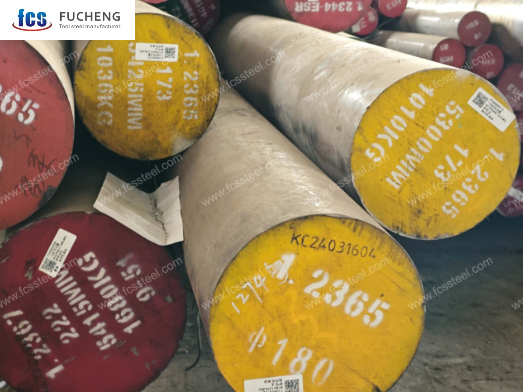
Introduction: Production costs depend on tool longevity. Reject rates cut into profit margins. So choosing between 1.2365 steel ESR and conventional ingot steel isn’t just a material spec—it’s a business decision with real financial impact. The electroslag...
by allen | Feb 16, 2026 | hot work tool steel
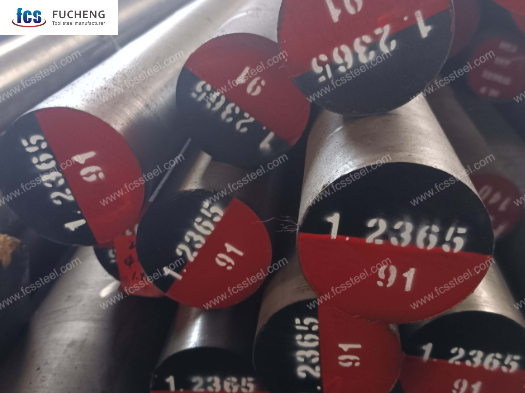
Introduction: Choosing steel grades for tough industrial jobs? You need the full material profile. This applies to tools, dies, and high-stress parts. 1.2365 (32CrMoV12-28) steel is a hot work tool steel. It contains chromium, molybdenum, and vanadinum alloys. This...