by allen | Jul 14, 2026 | hot work tool steel
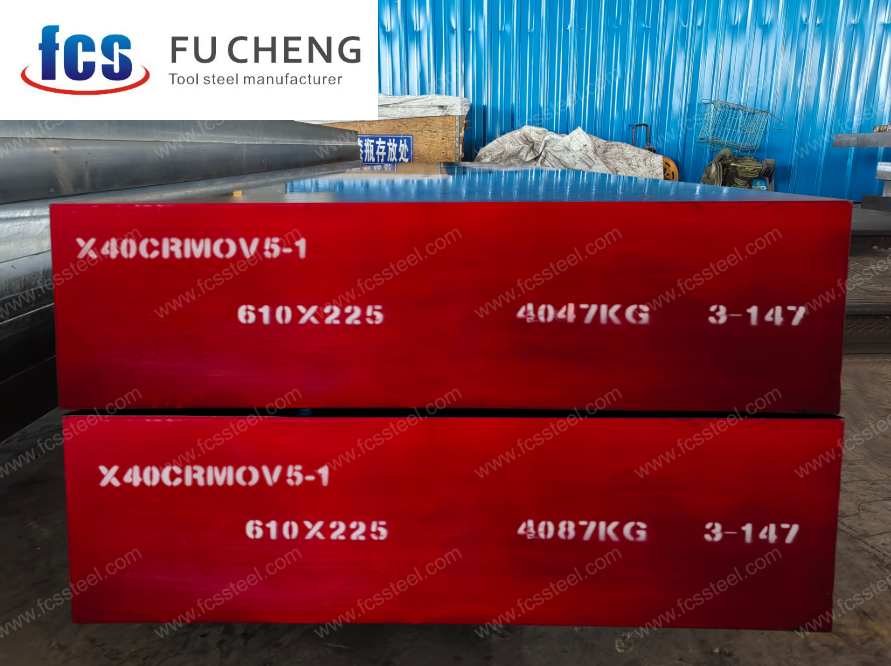
A die that fails too soon. A forging run cut short by heat checking. An extrusion die that cracks under thermal cycling. None of these are random bad luck. They trace back to one decision — choosing the wrong steel. ESR 1.2344 tool steel has become the go-to material...
by allen | Jul 8, 2026 | tool steel
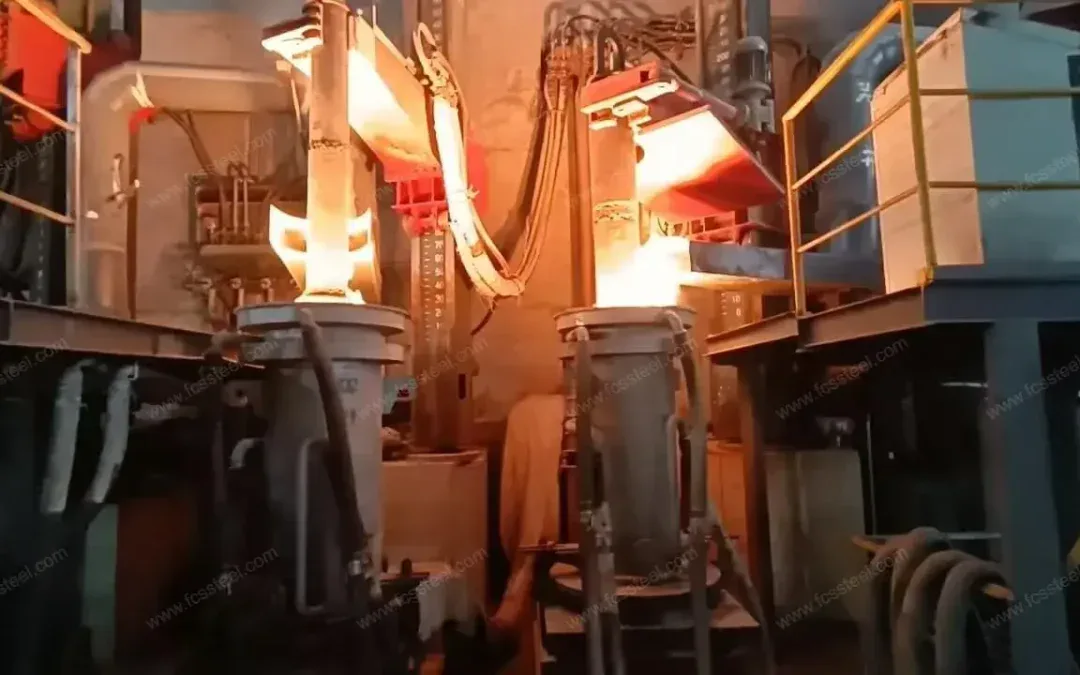
Introduction: The Hidden Cost of “Trust” Every year, buyers celebrate landing a “great deal” on tool steel, only to watch those savings evaporate when a mold cracks mid-production or tools fail prematurely. Let’s be blunt. The tool steel...
by allen | Jun 30, 2026 | tool steel
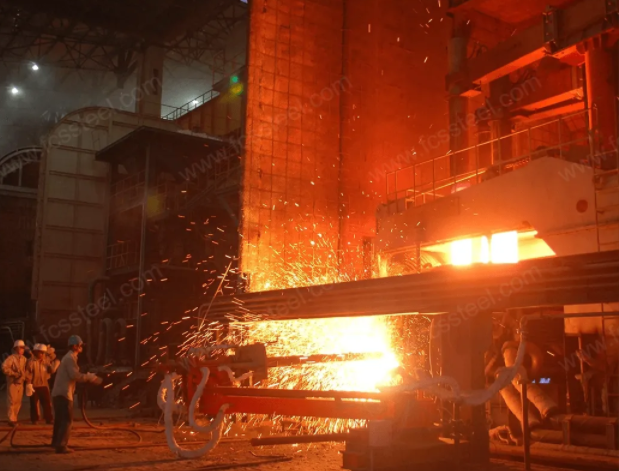
Introduction: Most tool steel defects don’t announce themselves at the receiving dock. They hide. They wait. Then they surface at the worst possible moment — mid-machining, mid-heat treatment, or worse, inside a finished mold that took weeks to build. The real...

by allen | Jun 29, 2026 | tool steel
What Is a Tool Steel Grade EquivalentA tool steel grade equivalent chart maps material designations across national standards like AISI, DIN, JIS, GB, and GOST based on overlapping chemistry and heat treatment responses. But here is the catch: “equivalent”...
by allen | Jun 16, 2026 | tool steel
Introduction When buyers evaluate Tool steel, they often compare grade designations, hardness values, and Chemical Composition certificates. While these factors are important, they do not fully explain why two pieces of the same steel grade can perform very...
by allen | Jun 12, 2026 | tool steel
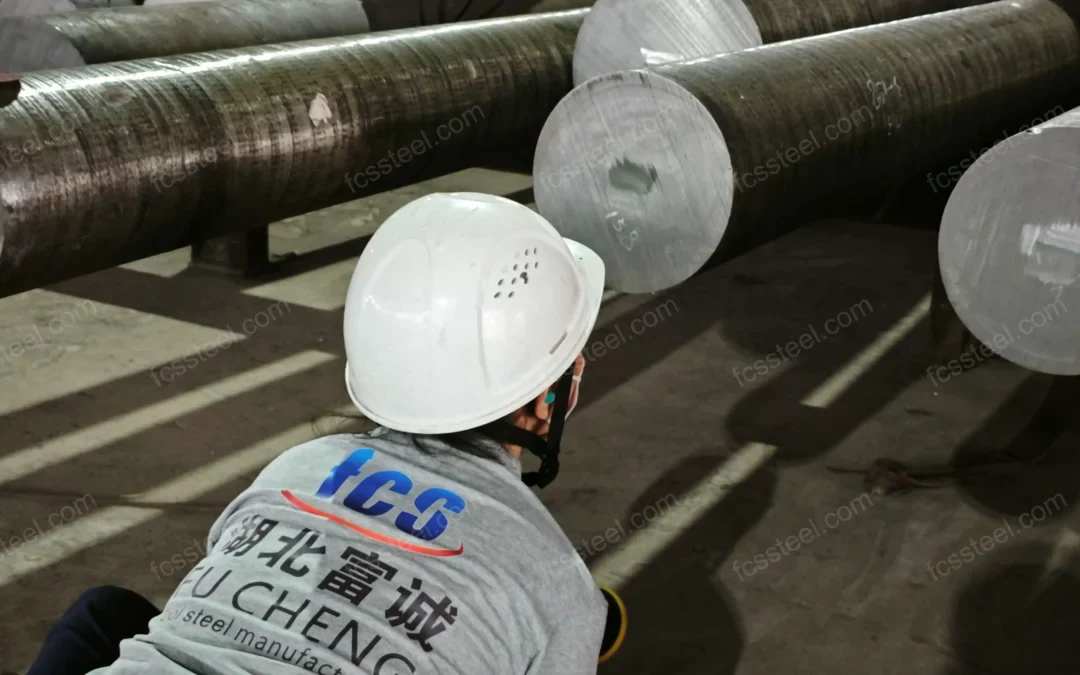
Introduction: Poor tool steel choices cost you big money.Take a batch of D2 or H13 steel. It might pass a standard visual check. The mill certificate might look fine. But it can still shatter on the press after a few thousand cycles. This event drains your tooling...