by allen | Jun 12, 2026 | tool steel
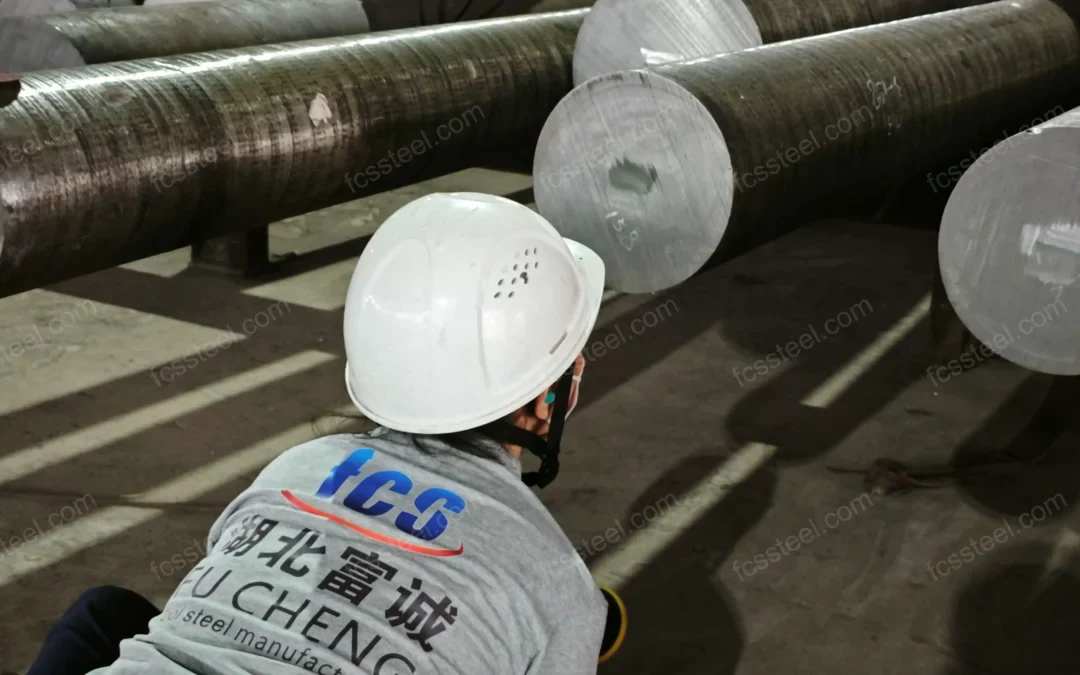
Introduction: Poor tool steel choices cost you big money.Take a batch of D2 or H13 steel. It might pass a standard visual check. The mill certificate might look fine. But it can still shatter on the press after a few thousand cycles. This event drains your tooling...
by allen | Jun 11, 2026 | Steel
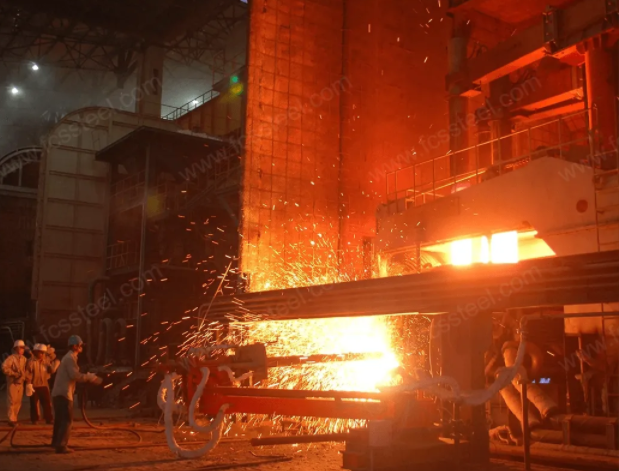
Every tool steel grade starts as a promise — a specific mix of alloying elements chosen to survive conditions that would destroy ordinary steel. But knowing which elements do what, and why certain combinations outperform others, separates engineers who guess from...

by allen | Jun 3, 2026 | tool steel
Every tool that cuts, forms, or shapes another material depends on steel built — at the molecular level — to handle extreme conditions. That steel doesn’t happen by accident. It goes through a carefully controlled production chain, and each stage shapes the...
by allen | Jun 1, 2026 | tool steel
A die cracks at 50,000 cycles, and people start pointing fingers. The truth? The alloy chemistry works fine. The melting method causes the real problem. You need to know the clear differences between ESR and EAF tool steel. This knowledge goes beyond classroom theory....
by allen | May 26, 2026 | tool steel
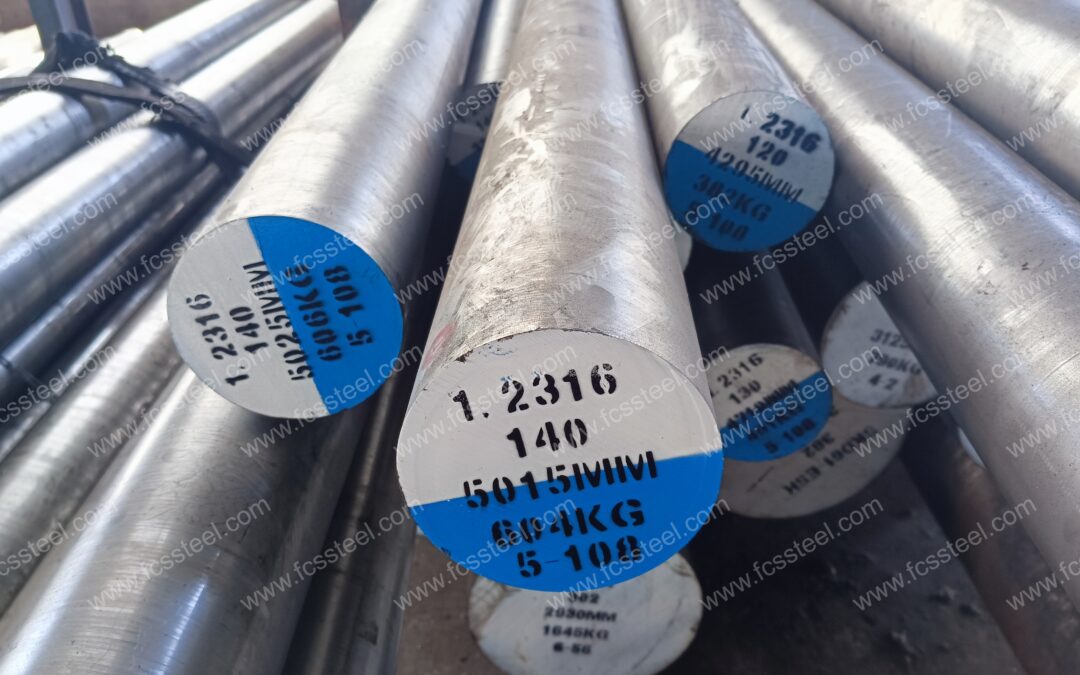
You’ve just pulled a polished 1.2316 cavity out of the machine — and there they are. Tiny craters, scattered like the surface of the moon, mocking everything you did right. Pinholes in 1.2316 are one of the most frustrating defects a mold maker can face. They...