by allen | Jan 23, 2026 | cold work tool steel
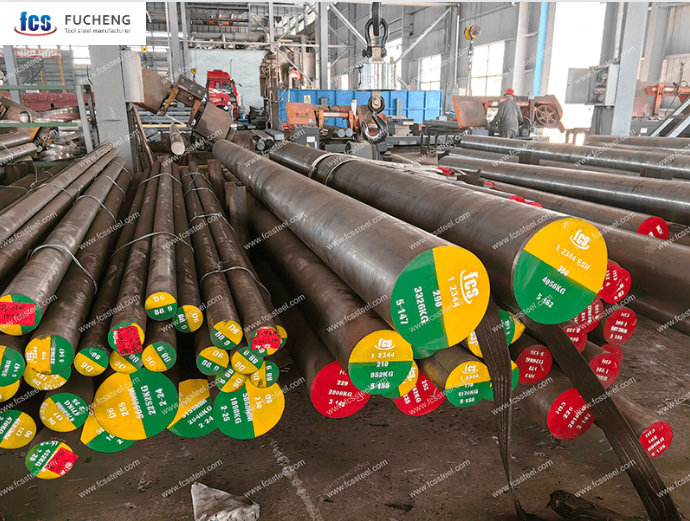
Introduction Let’s be real. Processing high-fiber plastics hits your equipment hard. You install fresh blades. But soon, glass fibers and carbon particles grind through the edges like sandpaper. You get dull knives. Then, your machine stops, and pellet quality...
by allen | Jan 23, 2026 | cold work tool steel
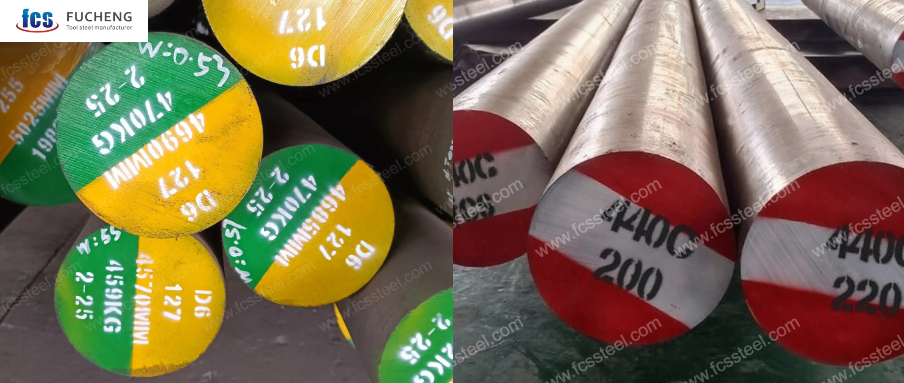
Introduction: Selecting the wrong material between D6 steel and 440C steel isn’t just a specification error; it’s a production liability. Treat D6 like stainless, and it rusts overnight. Push 440C too hard in abrasive environments, and edges collapse....

by allen | Jan 22, 2026 | cold work tool steel
Introduction: Thousands of precision dies fail too soon every year. Don’t blame the D6 steel quality. The real issue lies in heat treatment errors. A single slip turns premium alloy into expensive scrap. Maybe you rush the quench. Or perhaps you fail to dissolve...
by allen | Jan 21, 2026 | cold work tool steel
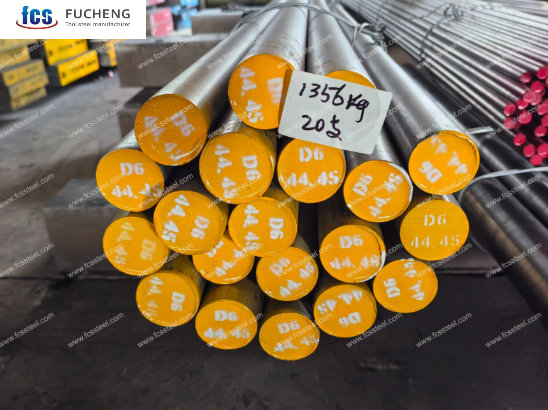
Introduction: Datasheets often lie by omission. They list standard hardness ranges but fail to warn you that a mere 2 HRC difference can shatter a $10,000 die halfway through a production run. Relying on generic specs for high-wear cold work isn’t just risky—it...

by allen | Jan 21, 2026 | cold work tool steel
Introduction: Japan’s electronics manufacturing sector operates within razor-thin tolerances, backed by the globally rigorous JIS G4404 standards. When a single micron separates perfection from failure in millions of stamping cycles, material choice isn’t...

by allen | Jan 20, 2026 | tool steel, cold work tool steel
Introduction Pick the wrong tool steel for cold work dies? You’ll pay thousands in early failures, downtime, and scrapped parts. D6 and A2 steel rule the cold work tooling market. But their performance differs greatly. This makes your D6 vs A2 choice crucial for...