by allen | Oct 17, 2026 | cold work tool steel
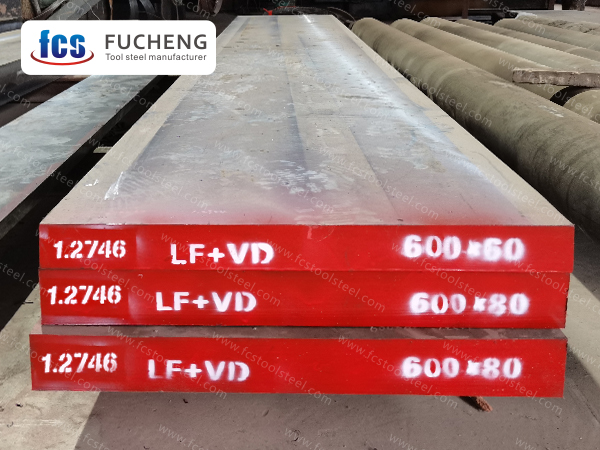
Introduction:When dealing with heavy-duty tooling like scrap-cutting blades or stamping dies, finding the right steel is a balancing act. If it’s too hard, the edge chips under impact; if it’s too soft, rapid wear halts production. 1.2746 tool steel solves...
by allen | Oct 17, 2026 | cold work tool steel
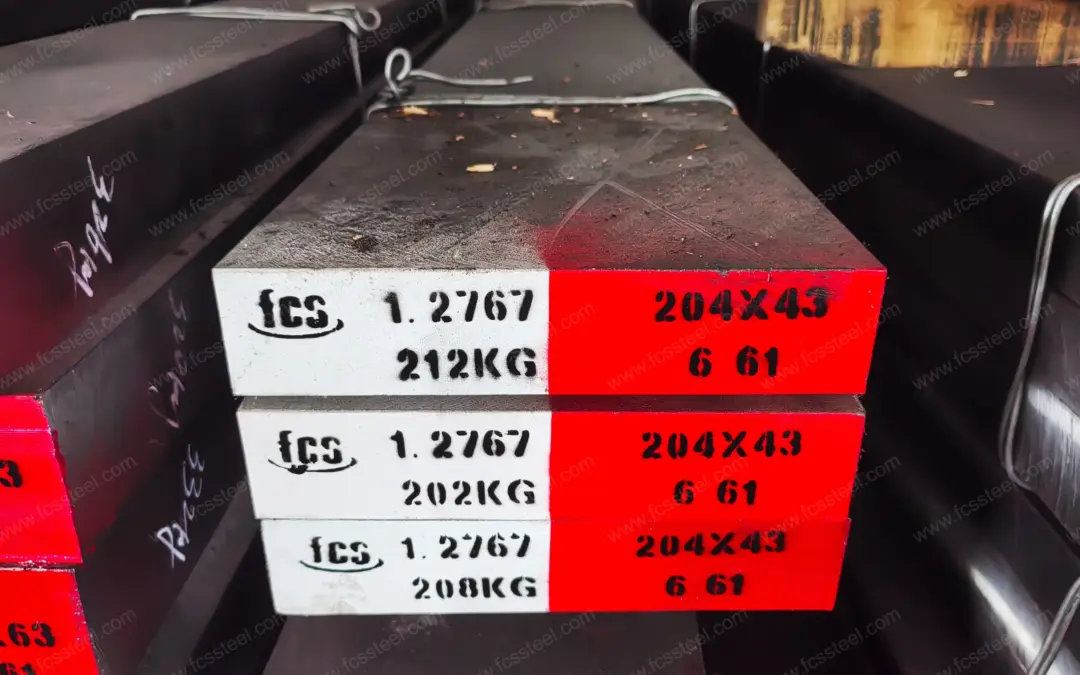
A quotation lands on your desk with “1.2767” buried in the spec sheet, and you wonder if this high-nickel cold work steel actually fits the die you are designing, or if it is just another number a supplier is pushing. Skip the metallurgy textbook detour....
by allen | Sep 30, 2026 | cold work tool steel
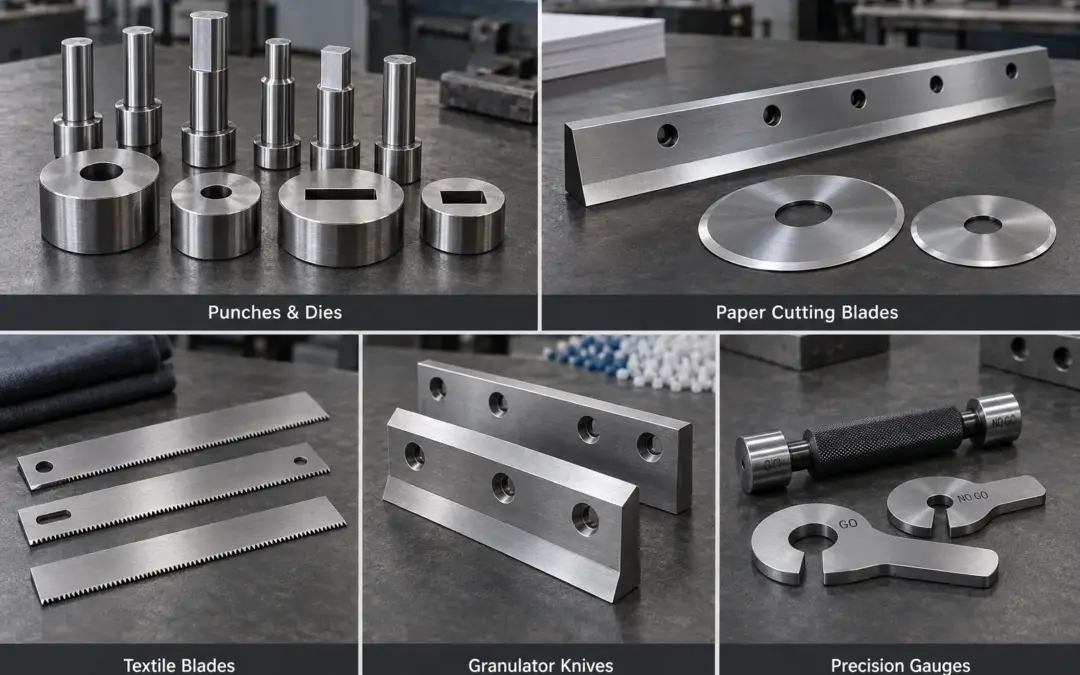
Introduction:1.2842 tool steel is an established cold-work tool steel for punches, blanking dies, industrial knives, measuring tools, and selected guide components. These applications span metal-component manufacturing, paper converting, textiles, plastics recycling,...
by allen | Sep 18, 2026 | cold work tool steel
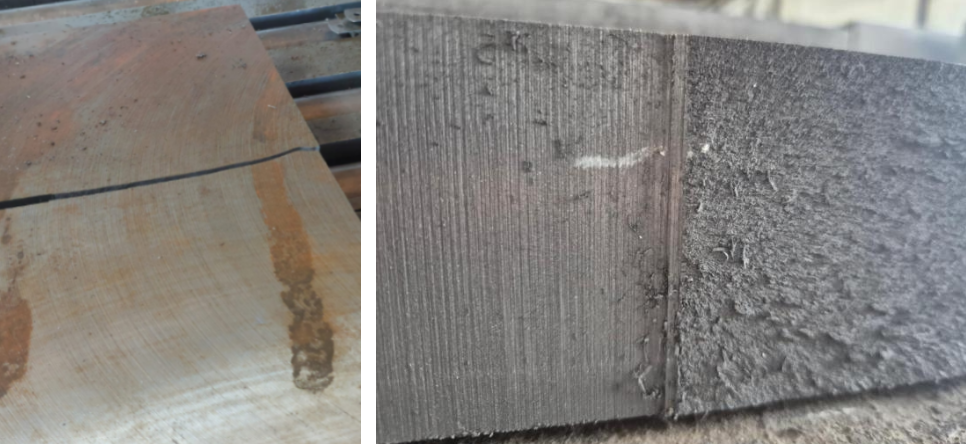
Quick Diagnosis Guide Before diving into the full article, check the table below to quickly identify which type of problem you may be encountering: Symptom Most Likely Root Cause Recommended Priority Check Sudden cracking during saw cutting, clean fracture surface...
by allen | Aug 28, 2026 | cold work tool steel
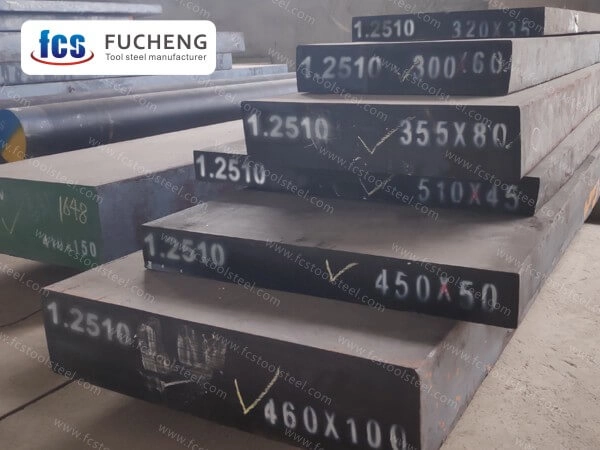
Pick the wrong tool steel, and you’ll find out the hard way—usually mid-run, when your blanking die starts chipping or your forming punch won’t hold an edge past a few thousand cycles. That’s the trap with 1.2510 and 1.2842: both are oil-hardening...
by allen | Aug 25, 2026 | cold work tool steel
When a job demands precision, low-cost tooling, and a steel that machinists have trusted for over a century, 1.2510 / AISI O1 tool steel usually tops the shortlist. It’s the classic oil-hardening grade that toolmakers reach for when they need sharp edges,...