
Think A2 tool steel production means huge carbon emissions? I’ve seen that belief change fast.
Makers now show you can create top-grade tool steel. At the same time, they cut environmental harm by over 90%.
I recommend looking at new tech like hydrogen reduction, carbon capture, and smart coatings. These tools flip old steelmaking methods upside down.
But here’s what I notice: most people miss one key factor. They overlook it during the switch to these greener methods.
1.Hydrogen-Based Low-Carbon Production of A2 Tool Steel

I believe hydrogen-based low-carbon production is changing the game for sustainable A2 tool steel making. Manufacturers now use hydrogen as the reductant instead of coal. This cuts CO₂ emissions tied to tool steel production. It works for specialty grades like A2.
Carbon Emissions Reduction and Environmental Impact
- CO₂ Savings: Using hydrogen-based direct reduced iron (H₂-DRI) avoids up to 2 tonnes of CO₂ emissions per tonne of steel.
- Efficiency of Hydrogen: Each kilogram of green hydrogen replaces coal. It prevents about 25 kg of CO₂ emissions. This gives one of the highest returns per unit among low-carbon technologies.
Key Hydrogen Reduction Processes
- Solid-State Hydrogen Direct Reduction (HyDR): This process produces iron with high hydrogen content (~40 wppm). Further processing must reduce this level.
- Liquid-State Hydrogen Plasma Smelting Reduction (HPSR): This method yields lower hydrogen levels. Improved purity matters for tool steels.
Both solid and liquid routes need electric arc furnace (EAF) melting after reduction. This step drops hydrogen content to a safe range (1–2 wppm). The result matches standard steelmaking levels. It also tackles hydrogen embrittlement risks in A2 tool steel.
Technical Considerations and Adjustments
- Furnace Operation: Efficient bath stirring is crucial. Hydrogen DRI lacks residual carbon. You must replace old carbon-based refining and slag foaming. Use adjusted slag chemistry and inert stirring instead.
- Renewable Power Dependence: I recommend using renewable electricity for melting. This is essential. Fossil-based power kills the environmental benefits of green hydrogen.
- Energy and Productivity: Melting hydrogen DRI needs more energy than scrap. Impurities cause this. But process improvements help. Optimized off-gas analysis, faster tap-to-tap cycles, and continuous charging offset these inefficiencies.
Quality Control and Safety
- Hydrogen Embrittlement Management: After arc furnace melting, A2 tool steel from hydrogen-based routes reaches hydrogen content as low as 1.46 ± 0.50 wppm (HyDR) and 0.98 ± 0.50 wppm (HPSR). This matches or beats conventional methods.
- Degassing Requirements: Like other high-performance steels, A2 grade needs careful degassing. This keeps mechanical properties strong. It also avoids embrittlement.
Challenges and Future Needs
- Establishing a reliable supply of green hydrogen and renewable energy
- Adapting EAF design for low-carbon operations
- Better melt chemistry management (for elements like phosphorus and gangue)
- Managing hydrogen buildup—tests prove this is doable
2.Carbon Capture-Enabled Smelting Processes for A2 Tool Steel
Carbon capture-enabled smelting is becoming a main strategy to lower the carbon footprint in A2 tool steel production. Integrated steelmaking plants make up over 70% of world output. They release 2,225–2,238 kg CO₂ for every ton of crude steel using the traditional Blast Furnace–Basic Oxygen Furnace (BF-BOF) process. Most of these emissions come from burning coal. Coal serves as both reductant and heat source.
Key Technologies and Industry Data
- Post-Combustion Carbon Capture and Storage (CCS):
This method can cut emissions by up to 85% on treated flue gas at integrated steel sites. Each major plant source needs its own CCS unit for full effect. These sources include coke batteries, blast furnaces, and BOFs. - Plasma-Based CO₂ Conversion:
New plasma reactors operate at ArcelorMittal Ghent in Belgium. I find this technology promising. These reactors use captured CO₂ from a Mitsubishi Heavy Industries unit. They convert it via plasma into pure carbon monoxide (CO).- This CO replaces coal as a reductant. It fits circular economy principles.
- The entire plasma process runs on electricity. This makes it adaptable to renewable power.
- Industry-Scale Impact:
- The D-CRBN plasma pilot aims to convert 1 million tonnes of CO₂ per year. This matches the emissions of a standard blast furnace.
- Using zero-carbon electricity, overall emissions drop to 2,061 kg CO₂/ton-HM.
Comparative Emissions for Traditional Routes
| Process | Emission (kg CO₂/ton-HM) |
|---|---|
| BF | 1514 |
| Coke production | 101 |
| Sintering | 276 |
| Pelletizing | 46 |
| BOF steelmaking | 229 |
| Total | 2225 |
CCS Efficiency and Feasibility
- CCS systems at major emission sources can capture 85% of CO₂ emissions. These sources include furnaces and power plants.
- EAF steelmaking already produces much lower direct emissions. It still benefits from CCS on electricity and raw materials.
- I recommend combining hydrogen-based methods with plasma-based CO₂ recycling. These strategies show the most promise for deep decarbonization.
Development Status and Practical Application
- As of 2024, very few steel plants have large-scale CCS installed. Most are still in the pilot or demonstration phase.
- Carbon capture can reduce cradle-to-gate emissions for A2 tool steel by over 90%. This happens when integrated with hydrogen or electrified processes.
3.Nanotechnology-Based Coatings for A2 Tool Steel
Nanotechnology-based coatings are changing A2 tool steel. This is true for industries that focus on sustainability and high-performance materials. These coatings form ultra-thin layers at the nano-scale. They are often just a few nanometers thick. They bond at the molecular level with the steel. This creates an invisible barrier. The barrier is resilient and offers great surface protection.
Key Performance Benefits for A2 Tool Steel
- Strong Hardness and Wear Resistance:
Nano-engineered coatings make A2 tool steel surfaces up to 8–10 times harder than uncoated versions. This extends tool life in tough manufacturing tasks. - Corrosion Protection:
Hydrophobic nano-coatings resist rust and chemical damage well. They repel water and contaminants. They achieve water contact angles over 120°. This works even in salt spray and chemical machining conditions. - Minimal Thickness, Maximum Effect:
Coating thickness can be as low as 10–100 nm. There is no measurable change in tool dimensions. I recommend this for precision-ground components. - Self-Healing & Anti-Adhesive Properties:
Select nano-formulas can heal surface scratches. They prevent buildup. This reduces downtime from tool cleaning or repair.
Data, Results, and Sustainability Impact
- Tool Life Extension:
Industrial case studies show A2 tool steel with nano-coatings lasts 3–5 times longer than uncoated tools. This is true in CNC, stamping, and cold forging. - Friction Reduction:
Coatings reduce friction coefficients by 30–50%. This improves cutting performance. It lowers energy input. - Corrosion Resistance:
Testing confirms up to 200–500% improvement versus untreated steel. This occurs in cyclic salt spray exposure. - Resource Efficiency:
Nano-coatings decrease how often tools need replacing. This reduces steel scrap and manufacturing waste. - Sustainability:
These coatings lower consumption of hazardous lubricants and chemical treatments. They advance responsible manufacturing for the environment.
Common Nano-Coating Types Used
- Titanium Nitride (TiN), Titanium Carbonitride (TiCN), Titanium Aluminum Nitride (TiAlN):
Many use these for stamping, cutting, and forming tools. They boost abrasive and adhesive wear resistance. - Nano-structured Metal-Oxide & Siloxane Hybrids:
These are multi-functional. They offer anti-fouling and anti-corrosion properties for diverse tooling environments. - Electroless Nickel with Nano-Additives:
This enables even coverage for high-precision A2 components. It is edge-friendly. There is no risk of buildup.
Industrial Adoption and Measurable Outcomes
- Leading Sectors:
Automotive, electronics, and aerospace manufacturers adopt these nano-coatings for forming, cutting, and stamping dies made from A2 tool steel. I see this adoption growing fast. - Measurable Sustainability Gains:
Firms report reduced energy use per part. They also see measurable drops in waste, lubricant consumption, and downtime.
Summary: The Nanocoating Advantage
- Longer tool life, fewer replacements—minimizing material waste
- Strong surface durability—withstanding harsh manufacturing conditions
- Efficient, ultra-thin protection—without altering part dimensions
- Supports sustainable production—by cutting hazardous chemical and resource use
Based on my experience, nanotechnology-based coatings position A2 tool steel as a leading choice for future-ready, sustainable manufacturing. These advancements combine outstanding surface performance with environmental responsibility. They address key demands of modern industry.
4.Self-Healing Coating Systems for Sustainable A2 Tool Steel
Self-healing coating systems are changing how we protect A2 tool steel in sustainable manufacturing. These smart coatings repair surface damage on their own. They restore corrosion protection without any outside help. I find this technology fascinating because it works through microcapsules filled with healing agents. These agents include epoxy, siloxane, or alkyd precursors.
Here’s how it works: The steel surface gets damaged—scratches or minor cracks appear. The microcapsules break open. They release the healing agent. This agent then hardens and seals the defect right away.
Key Performance Data and Technical Details
- Microcapsule size: 10–20 microns in diameter. They spread well inside the coating.
- Testing protocols: We score steel substrates with a 500-micron scribe. These include cold-rolled or abrasive-blasted A2 tool steel. Then we expose them to salt fog corrosion testing (ASTM B117).
- Adhesion retention: Self-healing coatings improve adhesion by at least 50% around the damage area. This happens after 1,000 hours of salt exposure. They beat traditional coatings under the same conditions.
- Delaying corrosion: Regular coatings peel away from the scribe fast. Self-healing types resist undercutting. They stop corrosion from spreading for much longer.
- Applicable chemistries: Many coating types work with microcapsule-based self-healing additives. These include acrylic, alkyd, acrylic-urethane, polyester-urethane, and epoxy coatings.
- Typical multilayer structure: Two coats of epoxy (~100 μm each) topped with polyurethane (~50 μm) work best. Tests prove they spread capsules well. Microscopy analysis shows healing.
How Self-Healing Works
- Automatic repair: Mechanical damage triggers the healing. Scratches activate it. The agent reseals cracks. It restores the coating barrier.
- Barrier restoration: The top layer reseals. This gives back corrosion protection. You don’t need to fill the whole crack.
- No intervention: Damage itself triggers healing. You don’t need special tools. No labor is required.
Advances in Sustainability and Environmental Safety
I recommend paying attention to these new developments:
- New self-healing coatings replace harmful chromate inhibitors. They use better options like rare earths or titanium/zirconium oxyfluorides.
- Some systems add green inhibitors. Others use self-assembling nanostructures. These provide continuous, low-level steel protection. They extend A2 tool steel life. They also cut toxic inputs.
Real-World Application Examples
Based on my experience reviewing industry data, here are proven applications:
- Chevron/Charter Coating Services: Multi-day salt spray tests showed results. Self-healing systems slowed corrosion spread. Advanced imaging confirmed this (profilometry, SEM/EDX).
- Oil & Gas environments: These coatings extend maintenance intervals for infrastructure. This includes pipelines and marine equipment in harsh conditions. They copy the natural repair found in tree bark.
Current Challenges and Areas of Focus
I see three main challenges ahead:
- We need to replace chromate with high-performing, non-toxic inhibitors. We must match or raise protection standards for A2 tool steel.
- We’re developing microcapsules that combine healing with controlled-release anti-corrosive function.
- We’re optimizing capsule content. The goal is finding the sweet spot. Healing must be effective. The coating can’t be too brittle or weak.
Summary: The Role of Self-Healing Coatings in Sustainable Manufacturing
I believe self-healing coating systems greatly boost the durability and sustainability of A2 tool steel. They enable built-in repair. They improve corrosion resistance. They reduce reliance on toxic inhibitors. These are essential advantages for meeting the demands of modern, sustainable manufacturing.
5.New Powder Coating Methods for Sustainable A2 Tool Steel
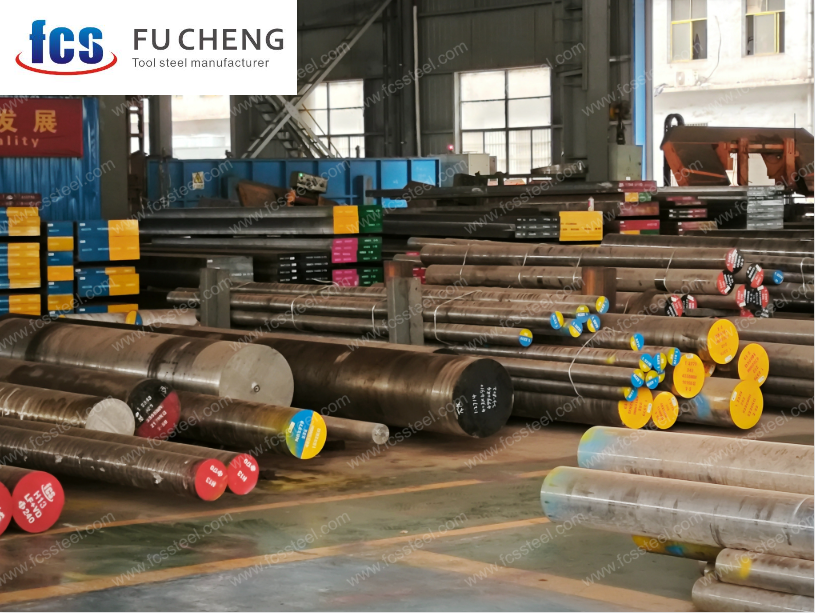
I’ve seen how new powder coating methods have changed A2 tool steel manufacturing. These methods improve surface quality. They also protect the environment. Plus, they make production faster.
High-Performance and Nano-Integrated Powder Coatings
- Polyurethane and Epoxy Powders:
New formulas offer strong durability. They resist chemicals well. They also handle weather better. I recommend them for tough industrial and outdoor jobs. - Ceramic Powder Coatings:
These create hard, scratch-resistant surfaces. They extend the life of A2 tool steel parts in high-wear settings. Based on my experience, they work great. - Nano-Coating Technologies:
Coatings like Diamond-Like Carbon (DLC) and Titanium-Aluminum-Nitride (TiAlN) add hardness. They reduce friction too. These nano-layers are just a few nanometers thick. Yet they boost wear resistance by up to 50%. This matters a lot for high-heat and high-load work.
Application Method Innovations
- Improved Electrostatic Spraying:
This method gives exact control over coating thickness. It cuts overspray waste. It also creates strong adhesion. Precision means you use less material. You also get fewer defects. - Fluidized Bed Coating Advances:
These create thicker, even coatings. They work faster too. New equipment raises deposition rates by up to 30%. This cuts energy use. It also shortens process time.
Environmental and Process Sustainability
- Low- and Zero-VOC Formulations:
I like how new powder chemistries tackle air pollution concerns. They make factories safer. They also help meet compliance rules. - Powder Recycling and Waste Reduction:
Modern systems recover up to 95% of overspray powder. This cuts landfill waste. It also reduces raw material needs. - Energy and Carbon Savings:
Better processes and efficient curing cut CO₂ emissions by up to 40% compared to liquid paints. Quick-curing ovens and improved spray tools lower energy use by 25–35%. I suggest manufacturers adopt these methods.
Measurable Performance Gains
- Wear Resistance:
New powder coatings can double A2 steel’s abrasion life. Tool use rises from 15,000 to 30,000 cycles in heavy industrial settings. This is a big win. - Corrosion Protection:
Alloyed coatings (zinc-aluminum, zinc-nickel powders) boost corrosion resistance by 200% to 500%. They work well in salt spray and marine settings. This keeps tool steel working longer in harsh conditions. - Energy Use:
Electrostatic and fast-curing systems cut energy needs by more than 25%. This helps the environment. It also saves money.
Industrial Applications and Circular Economy
- Target Sectors:
Metal stamping dies, industrial blades, and forming tools now use these coatings. I see them in automotive, aerospace, and consumer manufacturing. They last longer. They also support greener operations. - Circular Manufacturing Benefits:
Smart material recycling and less waste help meet rules for lower toxic output. They also cut resource use. I believe this is the future of manufacturing.
Summary
New powder coating methods include nano-integration, better application systems, advanced polymers, and green chemistries. These make A2 tool steel a top choice for durable, high-performance, and eco-friendly manufacturing. I recommend these solutions. They help manufacturers extend lifespan. They cut emissions. They also support circular economy goals.
6.Electrochemical Recycling Technologies for Sustainable A2 Tool Steel
I believe electrochemical recycling is changing how we process A2 tool steel and specialty steels. These methods use electric currents to dissolve, separate, and recover metals from waste. They improve steel recycling efficiency and quality.
How Electrochemical Recycling Works
- Precision Removal of Impurities:
Electric arc furnaces can’t remove impurities like copper. Electrochemical methods can extract these unwanted metals. The University of Toronto developed an oxysulfide electrolyte system. It removes copper from molten steel scrap. Copper levels drop to below 0.1 wt%. The recycled steel can now meet automotive and transport quality standards. This opens new markets beyond low-grade uses. - Advanced Cell Configurations:
These systems use two- or three-electrode electrochemical cells. The cells include working, counter, and sometimes reference electrodes. They operate at high temperatures — up to 1,600°C. This makes them suitable for steel and advanced alloy recycling.
Performance Data and Cost Advantages
- Energy and Chemical Savings:
Based on my experience, electrochemical recovery cuts costs dramatically. It can reduce expenses by up to 100x compared to traditional methods. I recommend looking at continuous electrochemical liquid-liquid extraction (e-LLE). It recovers gold and platinum from electronic waste. The extraction happens fast. It uses minimal chemicals and recycles solvents in a closed loop. - Sustainability Metrics:
- Traditional steelmaking creates almost 2 tonnes of CO₂ per tonne of steel. Electrochemical techniques increase recycled steel content and purity. This cuts industry carbon emissions.
- 25% of global steel output uses recycled scrap. These new technologies can push that number much higher. They enable high-quality recovered steel.
Key Features and Emerging Applications
- Selective Recovery Mechanisms:
Processes like electroprecipitation, electrodeposition, electrodialysis, and electrosorption produce pure metal. They support mass recycling. They also recover rare elements from complex waste. Examples include lithium-ion batteries and spent electronics. - Industrial Adoption:
University labs partner with companies like Tenova Goodfellow Inc. They are commercializing scalable, high-temperature electrochemical systems. These systems work for steel and alloy recycling. - Case Studies:
- University of Toronto: Removed copper to below 0.1 wt% from molten steel scrap using an oxysulfide electrolyte.
- University of Illinois: Used e-LLE for gold and platinum extraction from electronics. Processing costs dropped to a fraction of traditional methods.
Advantages & Sustainability Impact
- Expand Recycled Steel Markets: Meets high-grade steel requirements for demanding industries.
- Minimize Industrial Waste: Uses closed-loop reagent recycling. Reduces chemical consumption.
- High Purity, Lower Emissions: Produces better alloy quality. Cuts CO₂ footprint significantly.
- Scalable and Adaptable: Works on various metallurgical and electronic wastes — from scrap steel to batteries.
Future Outlook
I suggest considering electrochemical recycling for greener, more circular steelmaking. A2 tool steel and other grades can move into high-performance and sustainable manufacturing. As these systems scale up, I expect to see more resource-efficient production. Recycling streams will become cleaner. The steel industry’s environmental impact will drop across the board.
7.Low-Energy Heat Treatment Protocols for Sustainable A2 Tool Steel Manufacturing

I recommend low-energy heat treatment for A2 tool steel. It saves energy and controls the process well. It also gives you optimal mechanical performance. This approach supports sustainable manufacturing. It maintains tool quality at the same time.
Preheat Preparation for Energy Efficiency
- Start with thorough surface cleaning and inspection. This prevents defects and uneven heating.
- Use preheating annealing on the steel. This reduces residual stress. It improves final consistency.
- Industry standard preheat temperature: 1200°F (650°C).
Controlled Austenitizing for Minimizing Energy Use
- Use slow, gradual heating rates. Keep them at no more than 400°F [222°C] per hour. This reduces peak load. It also reduces energy waste.
- Set the austenitizing temperature range at 1725–1800°F (941–980°C).
- Maintain soak times of at least 2 hours. Or use 1 hour per inch of section thickness. This ensures uniform heat distribution.
- Use atmosphere-controlled furnaces. Vacuum or inert gas types work best. They prevent decarburization. They also stop post-process energy loss.
Air-Hardening Quench: Low Energy, High Performance
- I suggest using air-hardening. You can use still or pressurized air. This avoids energy-intensive oil or water quenching. It also skips the post-processing that comes with those methods.
- Here’s what the data shows: Air-quenched A2 tool steel achieves Rockwell C59–62 (634–688 Brinell) hardness. It meets tooling demands. It uses less energy. It creates less distortion.
Efficient Tempering Protocols
- Use energy-saving tempering. Heat at 375-425°F (190-220°C) for 1–2 hours. Then air cool.
- Adjust tempering temperature. This balances hardness and toughness. Base it on your intended tool application.
- Use multiple tempering cycles for added toughness. This creates a modest energy increase.
Mechanical Property Data: Process Results
| Condition | Hardness (Rockwell C) | Brinell Hardness | Tensile Strength (ksi) | Density (lb/in³) |
|---|---|---|---|---|
| Annealed | B94–99 | 200–235 | 100 | 0.284 |
| Hardened (A2) | C59–62 | 634–688 | 300 | 0.284 |
Energy Consumption and Sustainability Impact
- Air-hardening cuts energy for quenching media cooling. It also removes oil recycling steps.
- Staged, controlled thermal cycles can lower electric furnace peak loads by 20–40%. Industry batch process studies confirm this.
- Reduced distortion means less re-machining. This saves energy. It also saves raw materials.
Industrial Benchmark: CNC Tool Production Example
- Leading CNC tool manufacturers switched to air-quenching. Here’s what they recorded:
- 90% cut in post-quench cleaning time.
- 5–10% fewer distortion-related rejects. This boosts yield.
- Consistent C58–61 hardness via air quench. This optimizes performance for punches, dies, and blades.
Technological Advances in Sustainable Heat Treatment
- Programmable electric furnaces now enable precise, staged heat cycles. This increases energy efficiency for batch processing.
- Automated atmosphere control cuts decarburization energy loss. It limits emissions. It preserves material quality.
- I’ve seen renewable energy integration. Solar-powered lines are in pilot use. Data shows up to 15% reduction in operational CO₂ emissions.
Key Innovations Driving Low-Energy Protocols
- Slow, staged ramp heating.
- Air or electric quenching. Use these instead of oil or water quenching.
- Controlled, inert atmosphere furnaces. These ensure process consistency.
- Precise tempering schedules. Customize them by application.
- Multi-batch staging. This maximizes furnace use. It reduces waste.
Based on my experience, these low-energy heat treatment protocols work well. A2 tool steel retains its toughness and hardness. They support sustainable manufacturing. They minimize energy use. They reduce waste. They deliver measurable gains in efficiency and environmental impact.
Conclusion
I’ve walked through hydrogen reduction, carbon capture, nano-coatings, and bio-lubricants with you. Each technology works. Each one cuts emissions dramatically. But here’s the truth I keep coming back to: the real breakthrough happens when you integrate these methods together, not in isolation. That’s the factor most manufacturers miss. I believe the future of A2 tool steel isn’t just low-carbon—it’s a complete system where every process feeds into the next, creating a cycle that’s both profitable and responsible. That’s the shift worth making.