
What Does Tool Steel Traceability Actually Involve?
In our 19 years as a tool steel supplier, we’ve seen many distributors learn a hard lesson: true traceability goes way beyond just filing an EN 10204 3.1 Mill Test Certificate (MTC). It’s a rigorous, unbroken chain of evidence. It starts with a unique physical identity—clear heat numbers stamped directly on the steel that perfectly match your MTC data. But it doesn’t stop there. You need the full metallurgical history, tracking whether it’s standard EAF or premium Electro-Slag Remelted (ESR) steel, along with forging ratios and annealing parameters. It also demands hard physical data, from precise chemical analysis and hardness ranges to ultrasonic testing (UT) records that rule out internal defects. Ultimately, it’s about tracking the material’s exact journey from the producing mill, through your warehouse, right to the mould maker’s floor—ensuring zero chance of material substitution.
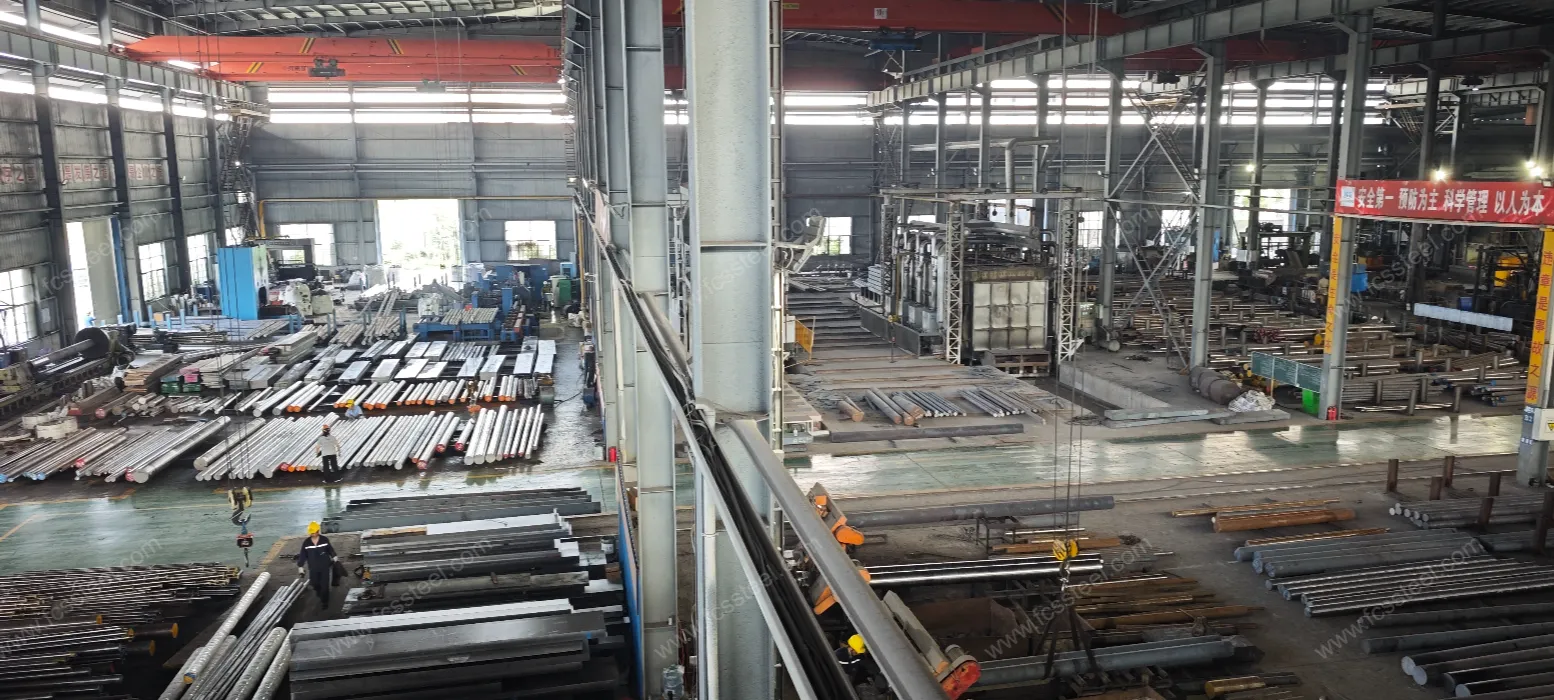
Why Tool Steel Traceability Matters
For tool steel distributors, strict material tracking isn’t just an administrative chore—it’s your commercial moat. It builds a firewall against massive financial liability. Let’s say a customer’s D2 tool steel or H13 tool steel block cracks during heat treatment. They will immediately look to you for compensation. With accurate heat tracking and UT records, you can hold the mill accountable instead of eating a six-figure loss yourself. Additionally, it eliminates the nightmare of mixed stock. Accidentally shipping a basic carbon alloy instead of a premium ESR grade because of a chaotic warehouse can destroy a hard-earned reputation overnight. Today’s top-tier mould makers know this. They don’t just negotiate on price anymore; they demand verified, one-to-one traceability. By mastering this inventory process, you not only prevent catastrophic claims but also position yourself to win long-term contracts from high-end manufacturers.
Case Study: The Cost of Skipping Mill Verification
A distributor recently learned a brutal lesson after placing a massive order for 1.2379 (D2) tool steel with an unverified manufacturer. The price was surprisingly low, and the paperwork looked flawless on the surface. When the steel arrived, it came with what appeared to be a standard EN 10204 3.1 certificate. However, just weeks later, their biggest mould-making client reported catastrophic block cracking during routine heat treatment. When the distributor tried to file a claim with the producing mill, the truth came out: the certificate was entirely fabricated, and the heat numbers stamped on the steel didn’t exist in any official melting log.
The root cause? The purchasing agent skipped the basic audit steps. They never asked for independent verification of the mill’s lab credentials, nor did they demand physical-to-paper heat mapping during the trial phase. As it turned out, the “manufacturer” was just a secondary processing facility. They bought cheap, scrap-melted carbon billets, rolled them, and slapped on fake heat numbers with copied-and-pasted chemical data to mimic premium D2. Because the distributor failed to audit the mill’s origin and traceability systems upfront, they had to swallow a six-figure replacement cost and permanently lost a top-tier customer. Trusting a PDF without auditing the source is a gamble you will eventually lose.
8-Point Mill Audit Checklist for Traceability
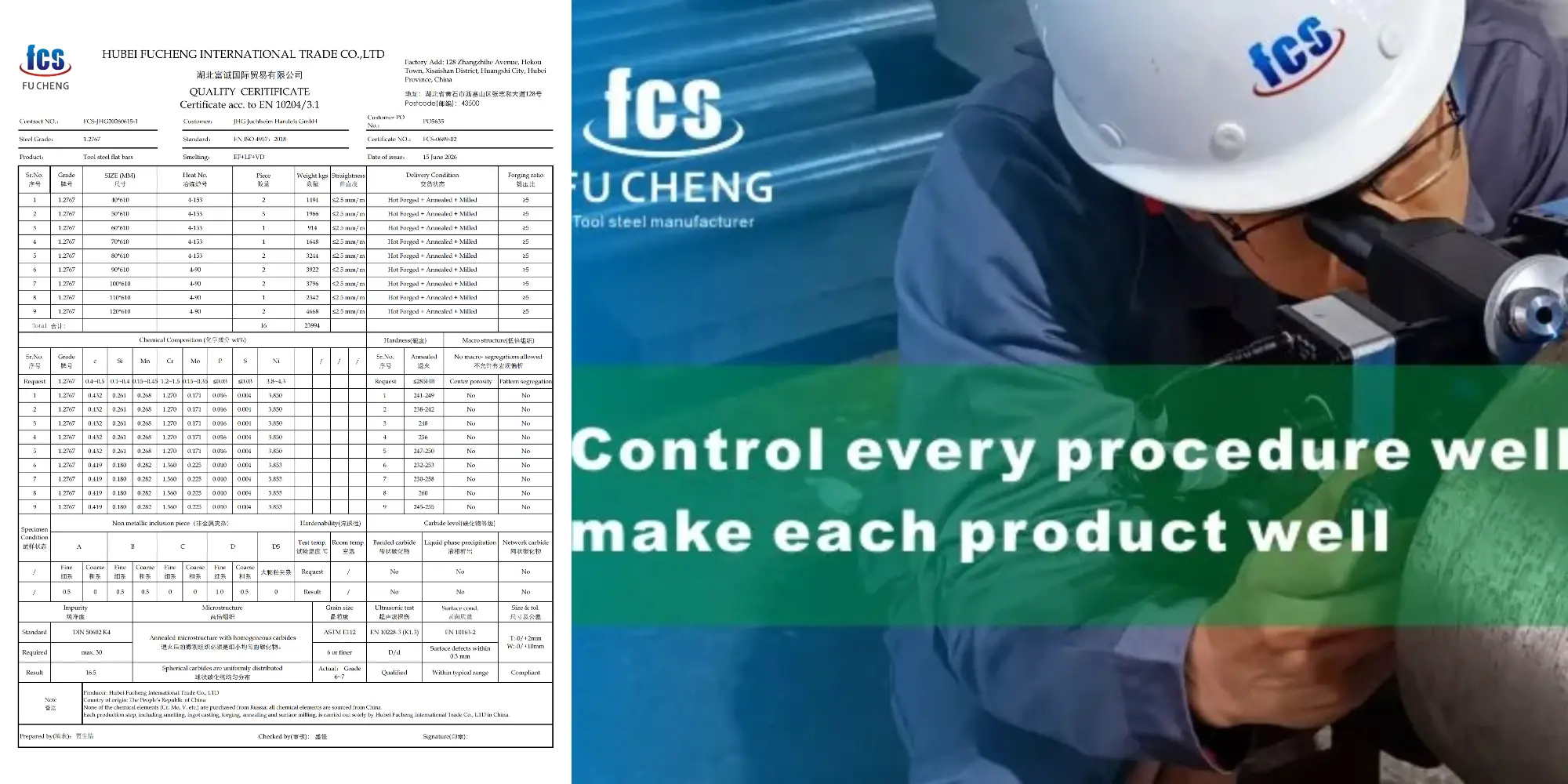
Nine times out of ten, traceability failures aren’t sophisticated—they are just the result of lazy habits or hidden substitutions. Before signing a long-term contract or placing a major order with a new tool steel manufacturer, run their internal documentation process against this strict 8-point audit checklist. If a mill hesitates or fails to provide transparent evidence on any of these points, you should seriously reconsider the partnership.
- Direct Certificate Generation: Ensure the EN 10204 3.1 certificate is generated directly by the mill’s quality control department. The document must be signed by an authorized, independent inspection representative—never just a sales manager.
- Third-Party Verifiability: Verify the mill’s real identity, physical production site, and lab credentials independently. A trustworthy manufacturer has nothing to hide, welcomes third-party audits, and will gladly provide direct contact info for their quality team.
- Physical-to-Paper Alignment: During a live video tour or trial order, ask to see exactly how the heat numbers stamped or tagged on their actual bars match their internal routing records and final MTCs before a batch leaves the floor.
- Specification Compliance: Check their testing parameters against standard requirements (e.g., DIN/ASTM). Their paperwork must accurately reflect the specific grade designations, dimensions, and tolerances you demand, rather than loosely claiming to be an “equivalent.”
- Authentic Chemical Data: Request a sample of historical MTCs for the same grade. Key alloying elements must sit accurately within the standard’s range. If you notice perfectly rounded numbers or identical chemistry across different heats, you are likely looking at copied and pasted data.
- Real-Time Testing Records: Check how they log their mechanical and non-destructive testing. Hardness, impact, and UT results must explicitly map back to the specific heat being processed, rather than them pulling generic data from an archived report.
- Clear Melt Origin Documentation: The mill must routinely and explicitly document the country of melt and pour on their standard certificates. This is an absolute necessity to support your customs clearance and import compliance down the line.
- Internal Routing Discipline: Ask them to trace a single historical order backwards through their system. Their melting logs, forging records, internal cutting sheets, and final dispatch notes must all seamlessly link back to the exact parent heat number.
Step 1: Embed Traceability in Steel Purchase Orders
Traceability begins at the contract stage. Vague purchase orders give suppliers a free pass for mixed heats and cheap substitutions. Specify the exact grade, like AISI D2 or 1.2379 tool steel. Set EN 10204 3.1 as your baseline certificate, and require 3.2 for critical automotive or aerospace applications. Demand that every bar, plate, or block receives a permanent heat number stamp before shipping, so the physical steel always links back to your paperwork. Detail the exact contents of the MTC. Require full chemical and mechanical results, the melt origin, and an authorized signature. Outline strict penalties upfront. Prohibit distributor-issued replacement certificates, and define your quarantine, rejection, and cost-recovery terms in the contract before a dispute over a failed UT or hardness test arises.
Step 2: Audit Suppliers for Heat Batch Control
If a supplier talks fast about traceability but hesitates when asked for proof, audit their actual documentation instead of their sales pitch. Don’t just ask for a certificate. Test their system by picking one random heat number and tracing it end-to-end: from the mill purchase order and incoming receipt, right through to warehouse storage, cutting, and final delivery. If there is a missing link anywhere in that chain, you have a problem.
Pay attention to how fast they respond. Ask for country-of-melt-and-pour documents on a recent shipment. A good supplier provides this in a day; a bad one takes a week. Look closely at their warehouse habits too. If different heats sit in the same unmarked bin, mixed stock is guaranteed. You should walk away immediately if they issue generic certificates for multiple heats, stamp their own distributor paperwork as EN 10204 3.1, refuse independent mill verification, or cut steel without recording the parent heat number.
Step 3: Verify the Mill’s Ability to Match Physical Steel with MTCs
When vetting a tool steel manufacturer or running a trial order, don’t just glance at the final MTC and assume everything is fine. You need proof that their physical goods align perfectly with their paperwork. Ask the mill for a sample document package from a recent shipment, alongside clear photos of the physical steel taken before dispatch. Look closely at the heat numbers, grades, and dimensions stamped or tagged on the bars or blocks. They must exactly match the data on the certificates and clearly indicate the melt origin.
Pay attention to how the mill handles discrepancies. A reliable tool steel manufacturer has strict protocols for missing stamps or blurred markings and will pause dispatch to re-verify the batch. Ask them directly what happens if a tag falls off. If a supplier brushes off a mismatched digit as a simple “typo” or hesitates to provide photographic proof of heat numbers linking to their test reports, it shows a critical flaw in their quality control.
Step 4: Audit the Manufacturer’s Storage and Cutting Traceability
A manufacturer’s internal material handling can easily break the traceability chain before the steel even leaves their facility. You need to evaluate their shop floor discipline. Conduct an on-site audit or request a live video tour of their warehouse. Check whether different steel grades and, more importantly, different heats of the same grade are physically segregated in their racks.
The true test of traceability happens at the cutting station. Ask to see a random cutting log. When a block is cut, does the operator immediately transfer the parent heat number to all cut pieces and the remaining remnant? The parent-child relationship must be clearly documented so every piece ties back to the original MTC. Furthermore, question their control over outsourced processes like peeling or heat treatment. A trustworthy mill maintains strict heat tracking even when material goes to external subcontractors. If you spot unmarked remnants sitting around their facility during a video tour, mixed shipments are inevitable.
Step 5: Test the Mill’s Document Retrieval and Claim Support
You don’t necessarily need a supplier with a million-dollar ERP system; you just need one who can retrieve accurate records fast. The best way to evaluate their tracking system is a simple stress test. Ask the manufacturer to pull the complete history for a specific historical order or your current trial batch. Request the MTC, delivery records, and any applicable UT or hardness reports specified for that particular grade.
Time their response and assess the quality of the data. A capable mill will provide a clean, complete paper trail quickly. Check if their test reports explicitly map the tested parameters to the specific heat number in question, rather than sending generic archived data. You need to know that if your customer faces a cracking issue six months down the line, this supplier will support your claim with hard, traceable evidence. If they take days to dig up basic records, their traceability system is likely just for show.
Audit Mill Documents for Customs and OEM Compliance
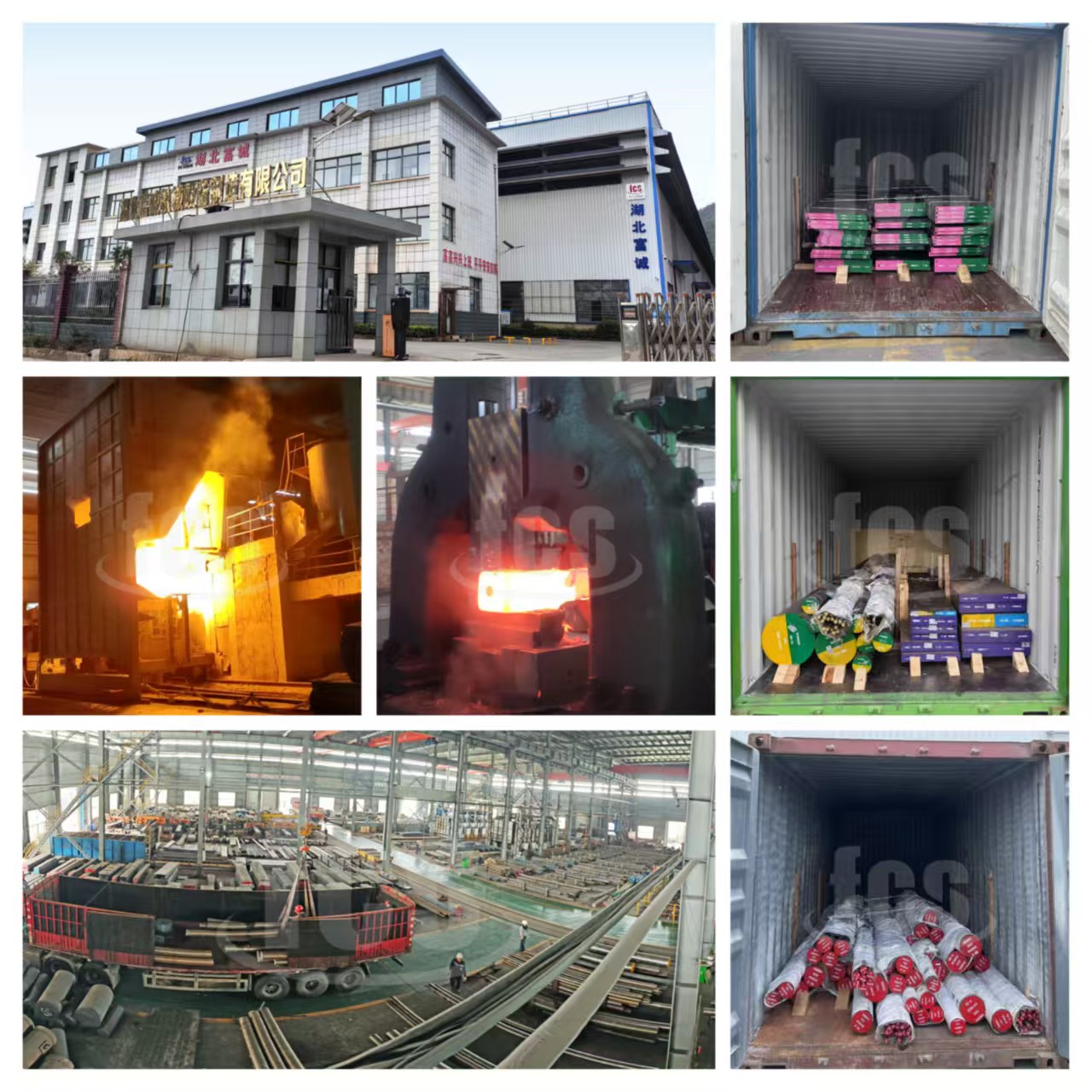
When auditing a tool steel manufacturer, their paperwork doesn’t just need to look professional—it has to legally clear customs. EU border authorities are aggressively enforcing material origin rules. By October 1, 2027, the MTC officially becomes the mandatory proof for melt-and-pour origin. Basic commercial invoices and export declarations will drop to mere backup status. During your supplier evaluation, scrutinize their certificates. The MTC must explicitly and consistently state the country of melt and pour, mill identity, and heat number. If a supplier is vague about where the steel was actually melted or tries to hide behind “rolled in” status, they might be using billets from restricted regions. Do not take on that compliance risk.
The same strict standard applies when defending against customer claims or OEM quality audits. If a mould block fails during heat treatment, a convincing PDF proves nothing. You need absolute confidence that the mill can instantly back you up with heat-linked chemistry, hardness, and UT records. OEM auditors demand an unbroken chain of evidence directly from the producing mill, with zero tolerance for distributor-generated EN 10204 paperwork. Before committing to a major order, test the manufacturer’s ability to produce these original production files and origin declarations on demand.
3 Negotiation Scripts to Enforce Supplier Traceability
Contracts alone don’t stop fraud. Specific language does. Use these three scripts word-for-word in supplier negotiations, and you’ll flush out the ones who never intended to comply.
Script 1 — Demand the original certificate, not a copy.
“For this order, we require the unaltered EN 10204 3.1 certificate issued by the producing mill, linked to the exact heat number supplied. We will not accept a certificate created by a distributor. Please confirm that the original MTC, mill signatory, chemical results, and country of melt and pour will be provided before shipment release.”
Script 2 — Force them to explain their batch control process.
“Every bar, plate, and cut piece must retain a visible link to its parent heat number. Please confirm how you mark material after cutting, how you prevent mixed heats in storage, and which records you will provide to connect the parent material, child pieces, packing list, and delivery note.”
Script 3 — Put the cost of failure on their side of the ledger.
“If the heat number, certificate data, origin, or test results cannot be independently verified, we will quarantine the shipment and require replacement or refund at the supplier’s cost. Please also confirm that you can provide purchase records, mill verification, inspection reports, and chain-of-custody documentation during a customer or customs audit.”
A supplier who hesitates on any of these three has already told you what you need to know.
Secure Your Supply Chain with FCS
A forged mill test certificate stays hidden until it causes a massive customer claim, leaving you to foot the bill. Traceability protects your business from taking that financial hit.
At FCS, we invite you to test our quality control. Backed by 19 years in the industry, our tool steel passes every requirement on the strict 8-point mill audit checklist. We guarantee 100% original EN 10204 3.1 Mill Test Certificates for every order, complete with authentic heat number stamping, verified physical-to-paper alignment, and documented melt-and-pour origins. Our chain of custody tracks standard EAF blocks and premium ESR plates right to your loading dock.
Protect your reputation from unverified mills. Partner with a source that provides verifiable evidence. Contact the FCS team today to discuss your next tool steel order and secure your supply chain.