Our Products
Hot Work:
H13 • H11 • SKD61 • 1.2344 ➡
Cold Work:
D2 • SKD11 • DC53 • 1.2379 ➡
Plastic Mold:
P20 • 1.2316 • S136 • 1.2083 ➡
High Speed:
M2 • M35 • M42 • SKH51 ➡
Stainless:
420 • 440C • SUS420J2 • 1.2083 ➡
Tool Steel Certification
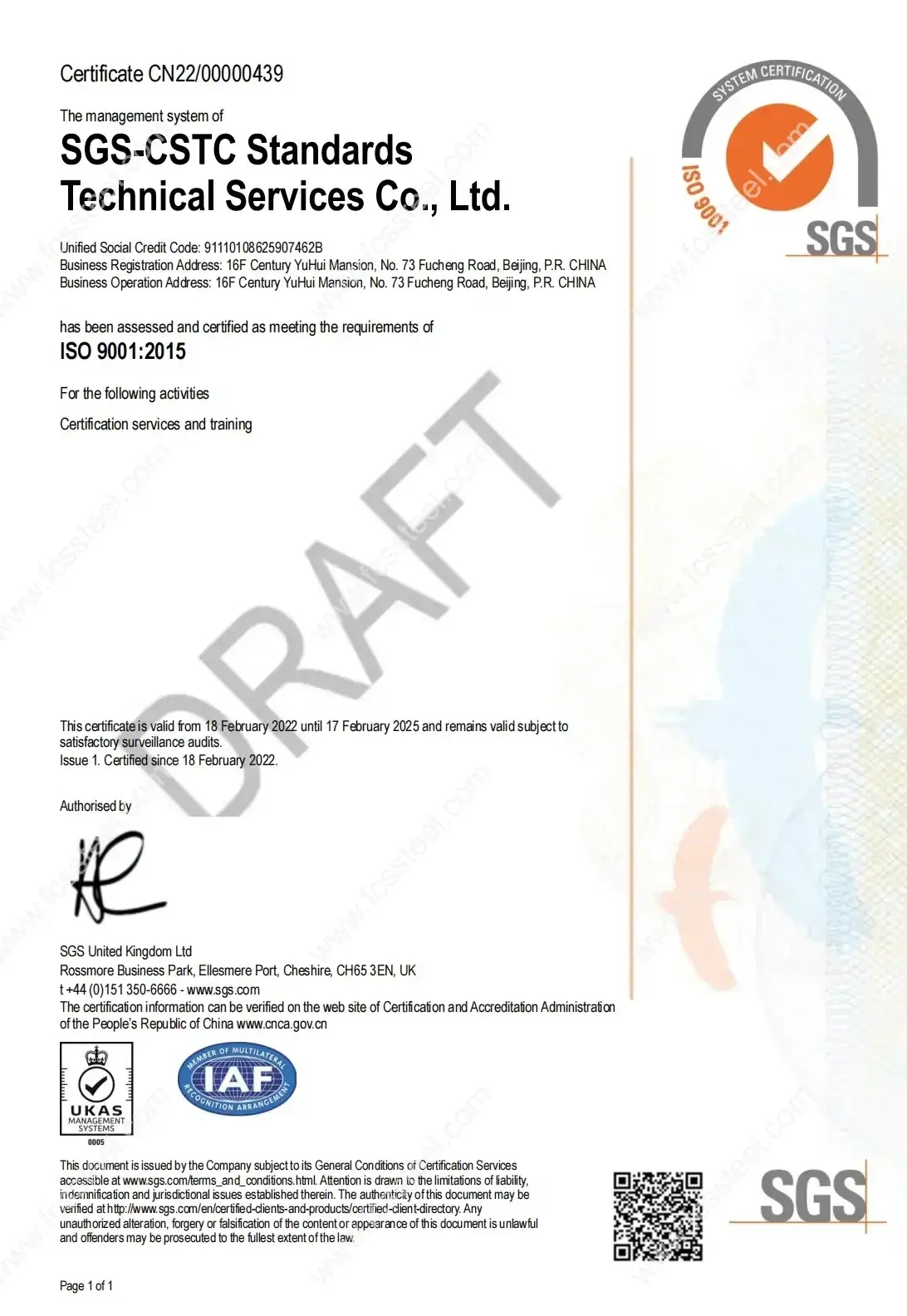
ISO 9001 & SGS
ISO 9001
FCS Tool Steel has a global standard production capacity covering mainstream systems such as GB/DIN/ASTM/JIS, and direct factory supply from the source ensures that the material meets the standard accurately. Through the strict quality control of ISO9001 quality system certification, we provide our customers with reliable tool steel solutions with excellent performance and longevity with traceable manufacturing processes and consistency throughout the chain, significantly reducing application risks.
SGS
FCS tool steel is certified by SGS to ensure that each batch of material meets international safety and performance standards, providing your global supply chain with inspection-free quality assurance and significantly reducing trade compliance risks and inbound testing costs.
Professional Tool Steel Factory
FCS Tool Steel, with 19 years of deep expertise in the tool steel industry, leverages full-process control capabilities to eliminate obstacles for you. Established in 2007 and specializing in tool steel production, FCS boasts an annual capacity of 5,0000 metric tons and maintains long-term strategic inventory reserves of 10,000 metric tons.
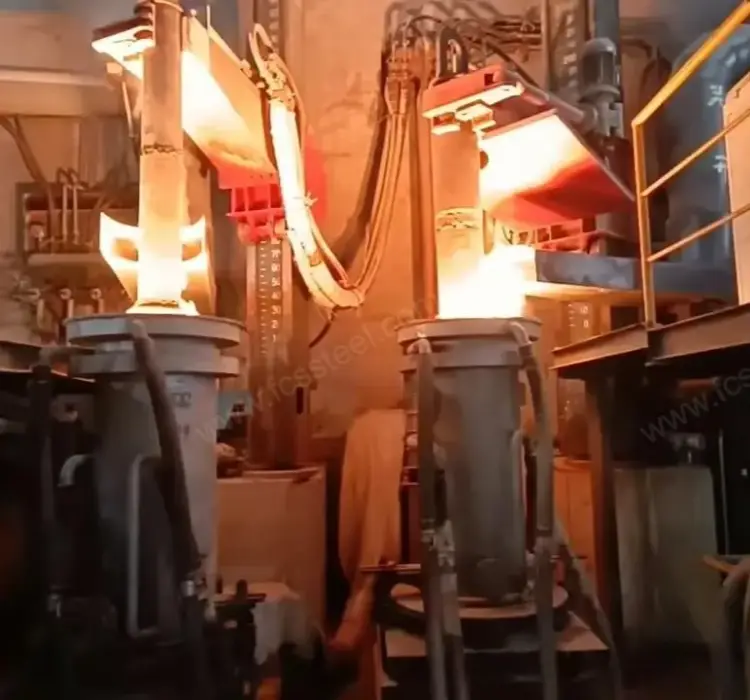
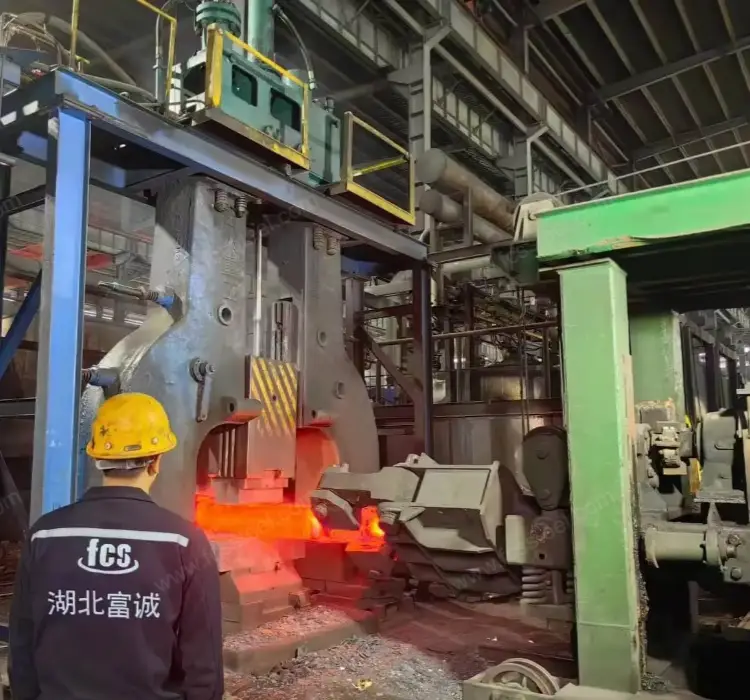
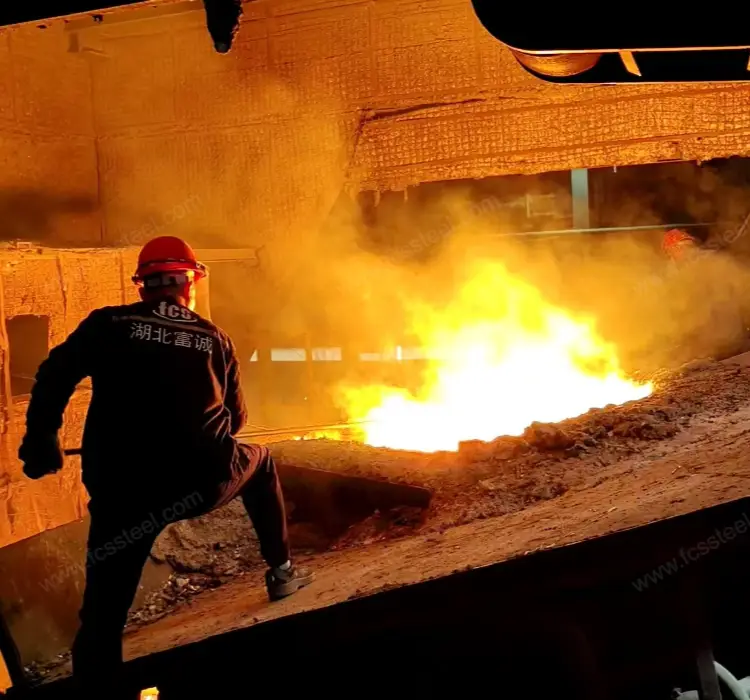
Equipped with a complete production line—spanning steelmaking, forging, annealing, turning, milling, and rigorous quality inspection—we ensure excellence at every stage. Backed by ISO 9001 certification, our core commitment to batch-to-batch consistency significantly reduces tool failure risks. Our precision-engineered tool steels, crafted through profound experience, deliver exceptional wear resistance, superior dimensional stability, and outstanding machinability. They empower you to manufacture longer-lasting, higher-precision molds and cutting tools, enhancing production efficiency and product competitiveness.

years of expertise
Area/Square Meter
Annual output/Tons
Long-term stock levels/Tons
OEM/ODM
DESIGN
PACKAGING
Source Manufacturer:
Triple Guarantee of Capacity, Quality, and Delivery
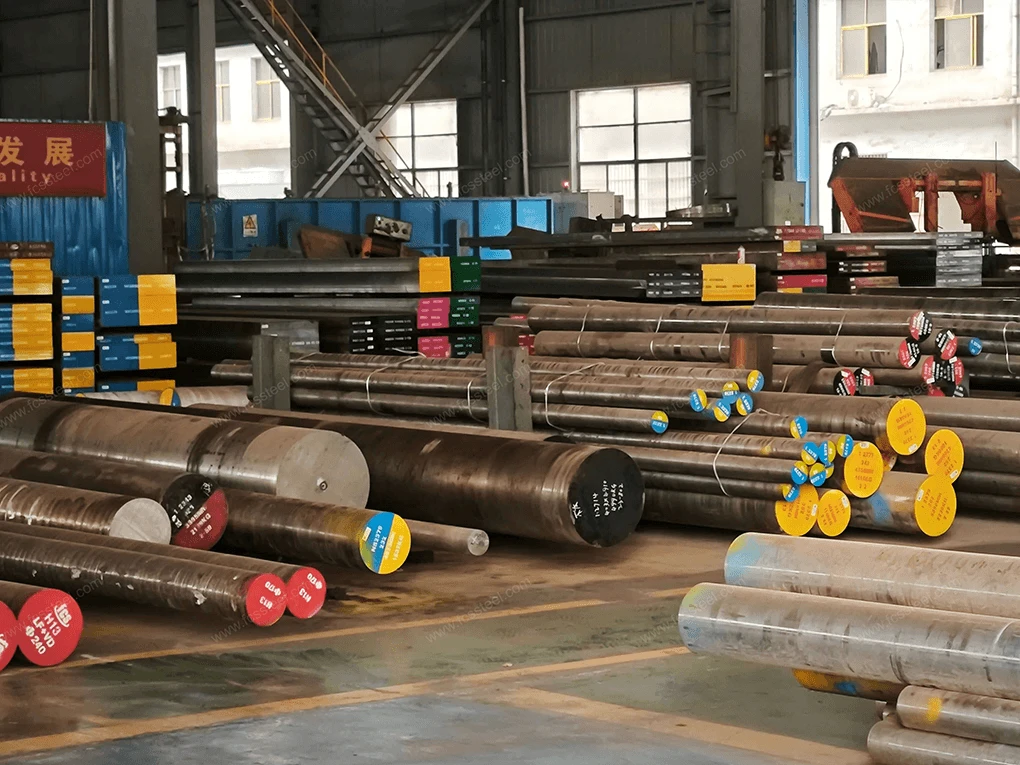
Leveraging full-process manufacturing, FCS offers an all-around quality guarantee to boost your global distribution value:
— Full-Process Control: From melting and precision forging to final certification.
— High-End OEM Customization: 100% tailored to your samples or technical protocols, benchmarking world-class steel mills.
— Green Supply Chain: Fully compliant with EU CBAM standards and TÜV carbon certification.
Significantly Optimize Bulk Procurement Costs with a Guaranteed 50,000-Ton Annual Capacity:
Fully utilizing the advantages of source factories not only ensures sufficient capacity, but also effectively reduces your total procurement costs.
Strict 100% UT Testing & Metallographic Inspection for High-Standard, Zero-Defect Delivery:
Integrating efficient production chain and strong inventory system to ensure on-time delivery, completely eliminating your supply chain worries.
Flexible High-End Customization, Providing Technical Solutions Benchmarking Top International Steel Mills:
Whether you need a standard stock product or a customized specification for an emergency production run, the FCS team can provide reliable solutions with competitive pricing and in-depth technical expertise. Specialized logistics systems and a strict commitment to performance ensure that your production schedules stay on track.
FCS STEEL ADVANTAGE
Factory Price
Leading tool steel manufacturer.Direct factory pricing for quality cold and hot work tool steels while maintaining industry-leading quality. Our vertical integration enables cost-effective production of high-hardness tool steel rods, cutting tool steels and custom alloys for precision and durability.Cost savings of 20-30% compared to traditional distributors, supported by iso certification process.
Free Sample
Eliminate guesswork with free samples tailored to your needs. We can provide free samples of various grades of tool steel and stainless steel. For example: 1.2379, D2, 1.2344, SKD61, H13, SKD11 tool steel, AISI 440C, etc. By testing free samples, you can not only confirm machining performance before placing a bulk order. You can also compare wear patterns at the stainless steel/tool steel interface.
Volume Production Capabilities
The large-scale production infrastructure at our FCS plant allows us to handle the largest tool steel orders while maintaining strict quality control in every ton of product produced.FCS TOOL STEEL has separate production lines with a capacity of 4,000 tons-per month, and we systematically schedule production to optimize efficiency and quality consistency.
Full life-cycle services
FCS Tool Steel provides comprehensive services. Pre-sale 8-hour technical consultation response, experienced business team to receive inquiries within 8 hours to provide detailed free advice on material selection, processing requirements, including grade comparison, performance prediction, cost analysis. After the specifications are determined, we will strictly control the production process and carry out a number of quality inspections; after delivery, we provide comprehensive technical support, including unlimited counseling, performance problem investigation, and so on.
Packaging and protection
Packaging customization and protection are at the heart of our commitment to customer satisfaction.FCS Plant offers highly customized packaging solutions.The dedicated team at FCS Plant meticulously evaluates the vulnerability of each product. For tool steel that is prone to rust, we utilize state-of-the-art rust-resistant materials that create a strong barrier against corrosion. When it comes to large steel pieces, we use sturdy wooden crates supplemented by full reinforcement. This not only safeguards the integrity of the steel during long-distance transportation, but also ensures that it arrives to you in pristine condition, ready for immediate use.
Transportation
FCS overcomes tool steel’s dense/heavy nature and high logistics costs through strategic logistics alliances. Annually shipping bulk volumes globally via partners, we provide real-time cargo tracking—including departure, ETA, and transit updates. Proactively addressing delays from force majeure (weather, congestion), we implement contingency plans like production adjustments or temporary alternatives while maintaining transparent customer communication throughout.
Global OEM TOOL STEEL SERVICE
We provide a full-process manufacturing solution for high-quality tool steel. From advanced EFS microstructure refinement to rigorous UT and metallographic inspections, we deliver premium performance. Fully compliant with EU CBAM and TUV carbon standards, we offer a one-stop raw material solution to empower global distributors.
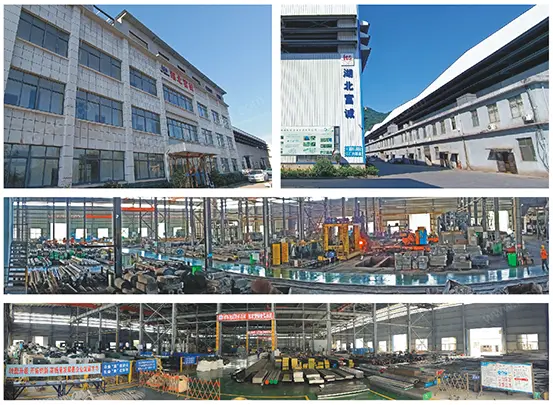
▌ Factory and Production Capacity
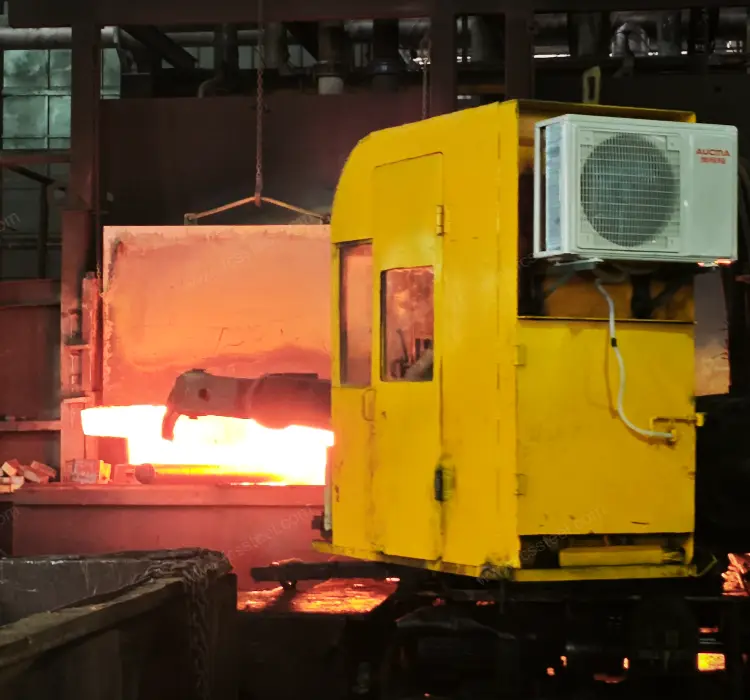
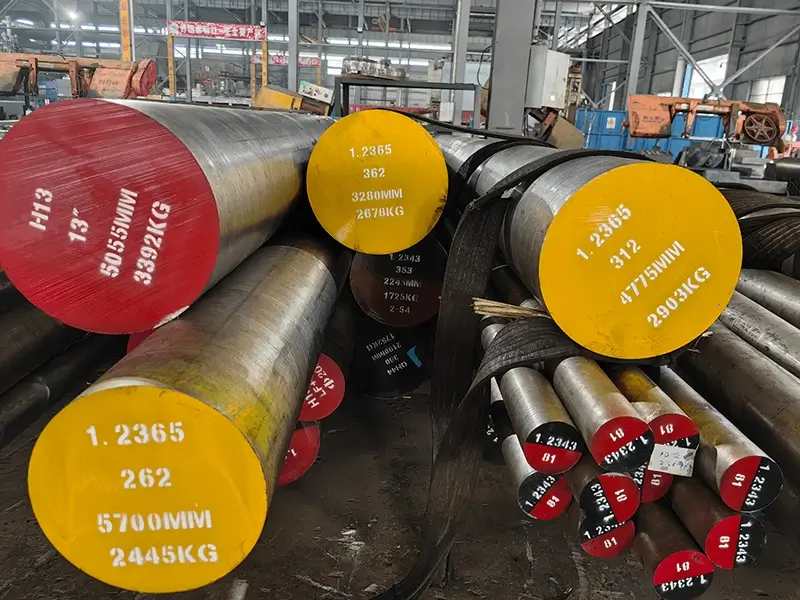
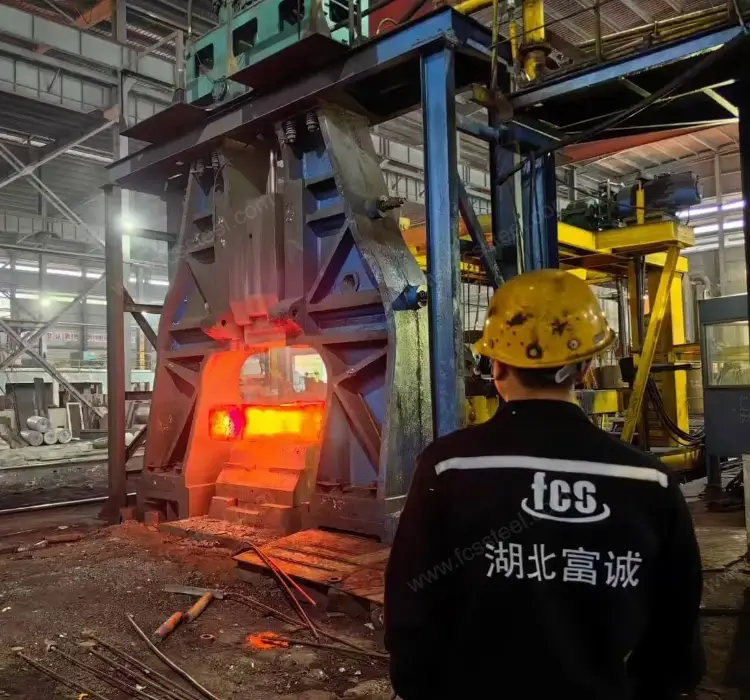
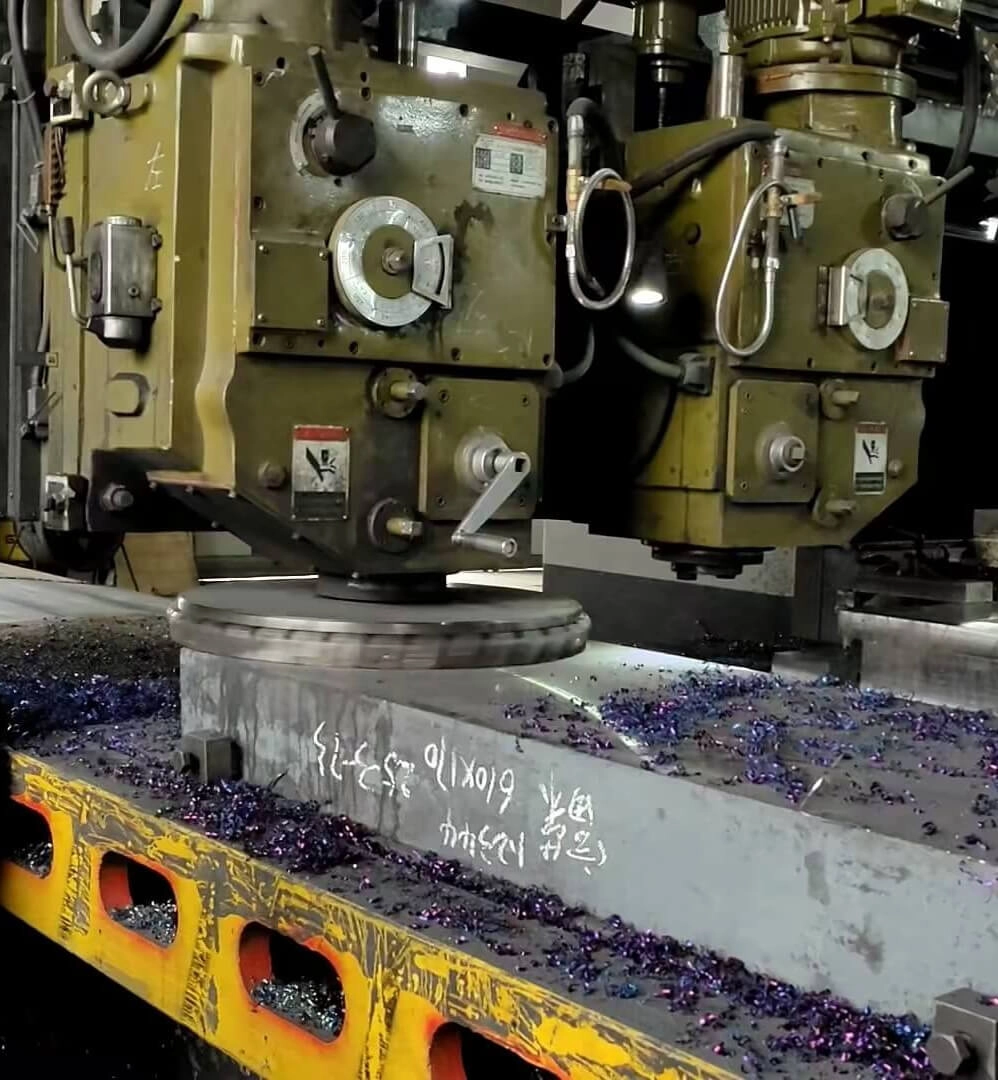
FCS TOOL STEEL factory’s main production site occupies 66,310 square meters with the latest metallurgical equipment, including 12 tons EF+LF+VD steel furnace + 6 sets of ESR steel furnace forging line, 3 tons, 6 tons forging hammers. 2 sets of 120 tons natural gas annealing furnaces. Sawing + milling shop with 10 saws + round steel lathes + plate milling lathes. This infrastructure allows a monthly production capacity of more than 4,000 tons, maintaining consistent quality standards in high volume production.
Our FCS plant has separate production lines, as well as a specialized machining department that can custom produce tool steel to the specifications required by our customers. This comprehensive manufacturing capability ensures that we are able to meet your most demanding quantity and quality requirements without compromising on delivery time.
OUR PRODUCTION PROCESS
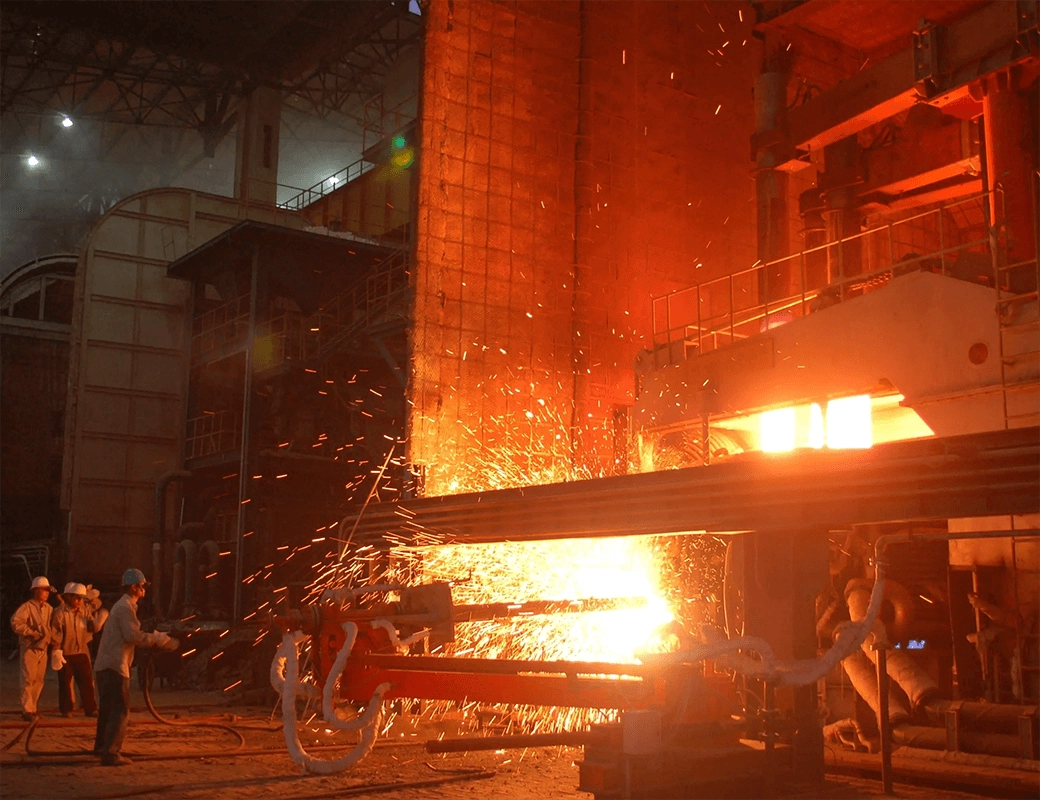
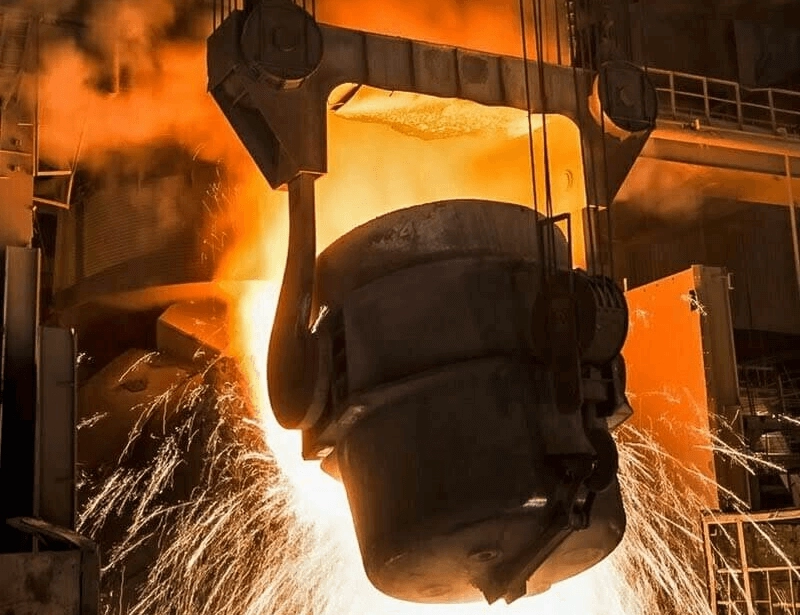
EF Primary Melting
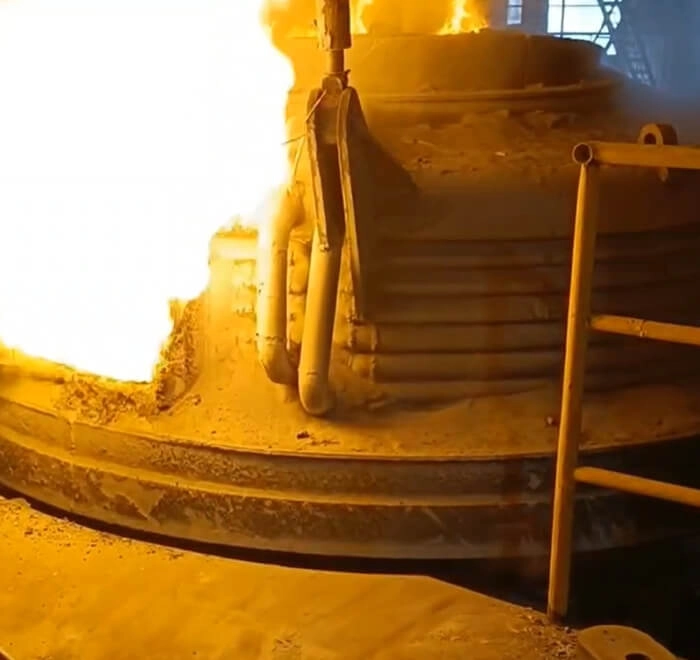
LF Refining
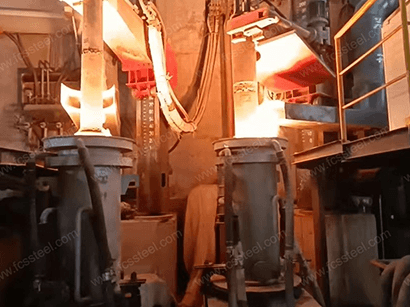
VD Degassing
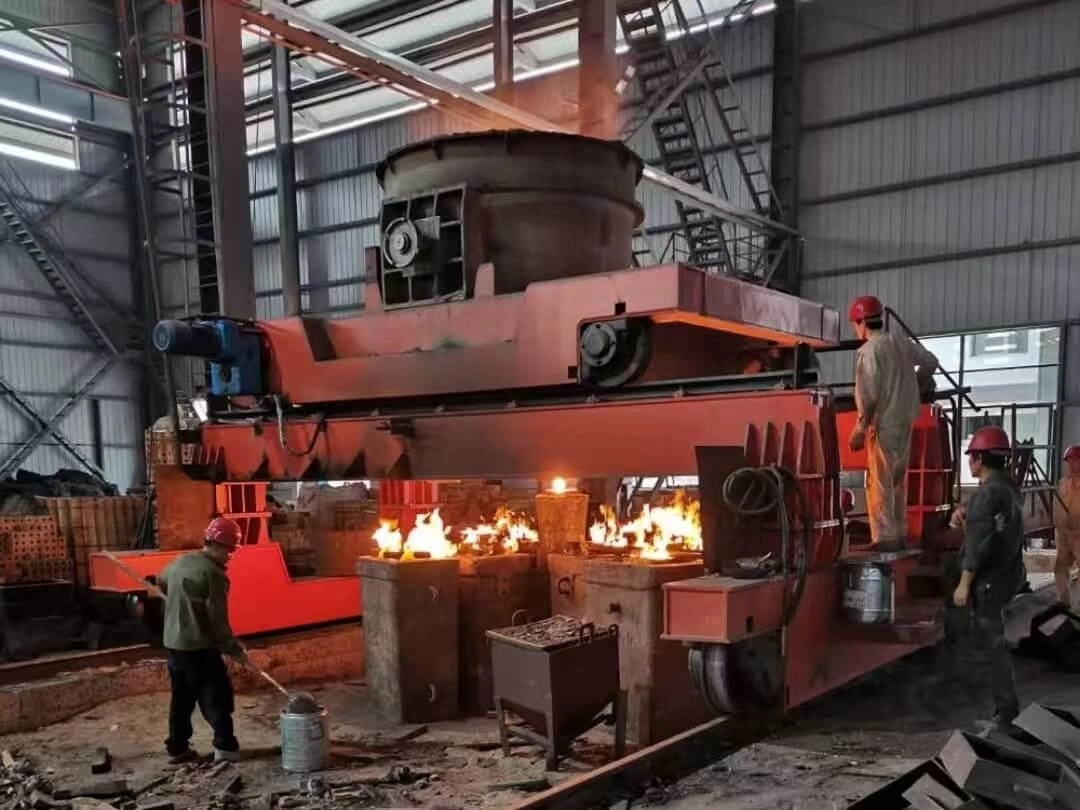
ESR Remelting
Ingot Casting
Tool Steel Specifications
Product Customization Options
Customized surface condition
Black; Sandblasted; Grinded; Turned/Machined/Milled/Bright
Customized chemical composition
GB, DIN, ASTM, JIS and other standard grades can be produced. Chemical composition can be customized individually.
Customized specifications
Round steel (diameter), plate (thickness, width) can be customized production.
Professional Transportation Packaging
Spraying black paint all around, wrapping plastic film, spraying anti-rust oil, and shipping in wooden crates.
Customized production
Customized production based on samples or technical agreements.
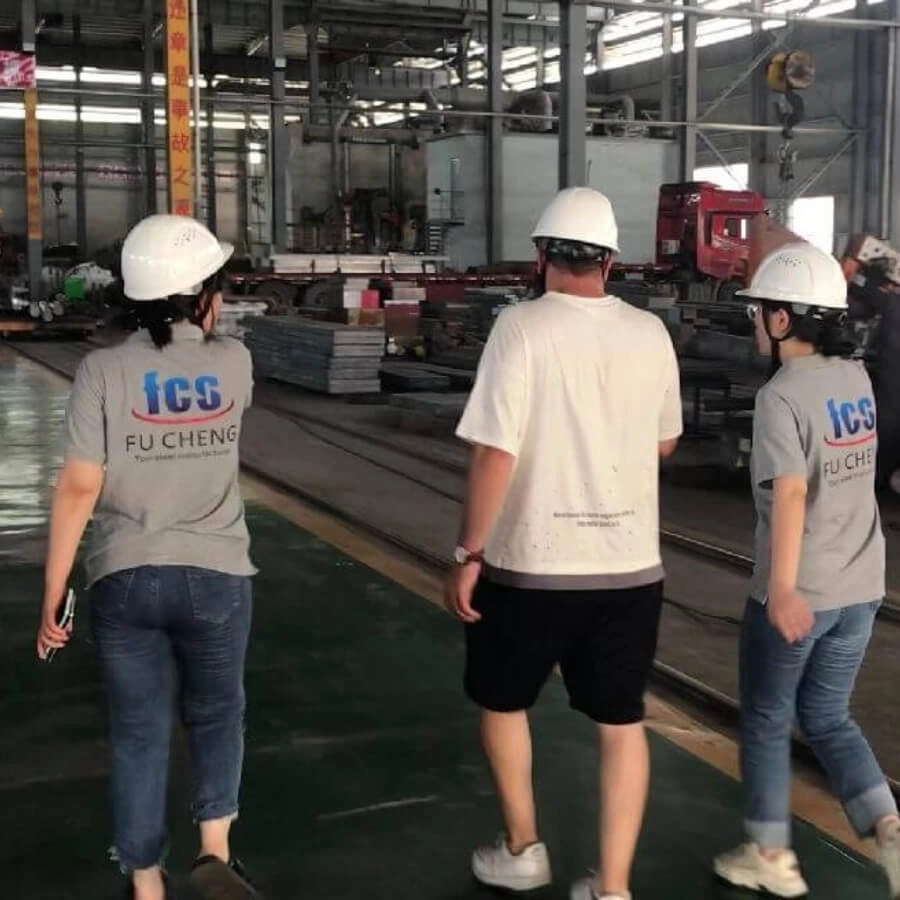
Full-process site visit
Customers visit the tool steel production workshop, advanced machinery and equipment and efficient warehousing area, intuitively understand the whole chain from production to delivery.
Customized solution docking
The sales team explains product specifications, application scenarios, and focuses on customized solutions to meet specific needs, highlighting market response and service capabilities.
High praise from the client
Testimonials:
“The professionalism, transparency and technical skills are impressive and unrivaled. We are confident in our future cooperation.”
Transparent quality inspection demonstration
- The technical team utilizes cutting-edge equipment to demonstrate the strict quality inspection process on site.
- Customers can witness the strict inspection process of each batch of products from a distance.
- Real-time test results are transparent, strongly verifying product performance, integrity and compliance with high standards.
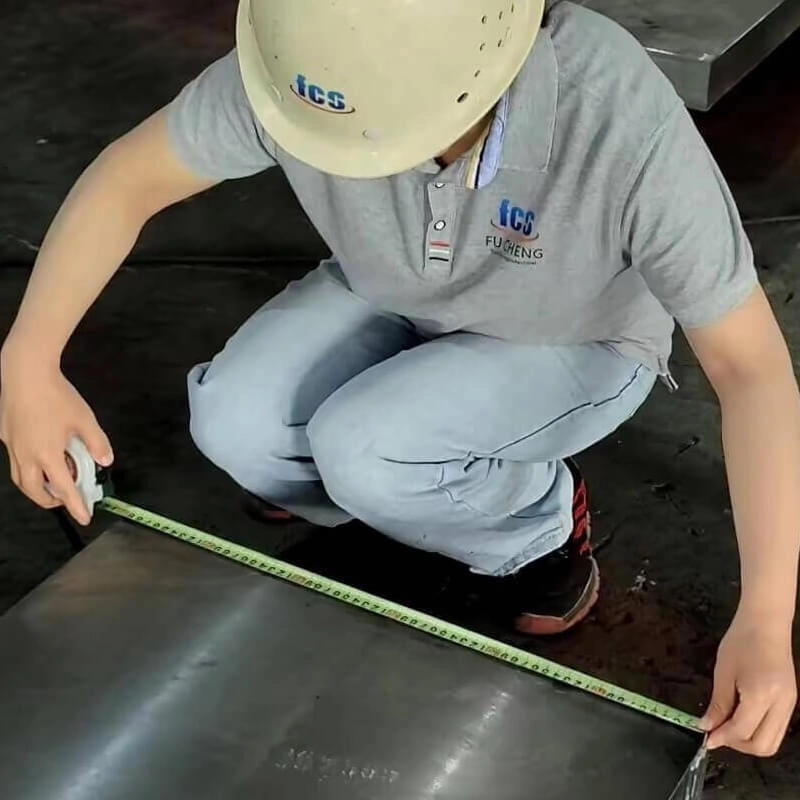
Appearance and basic performance inspection
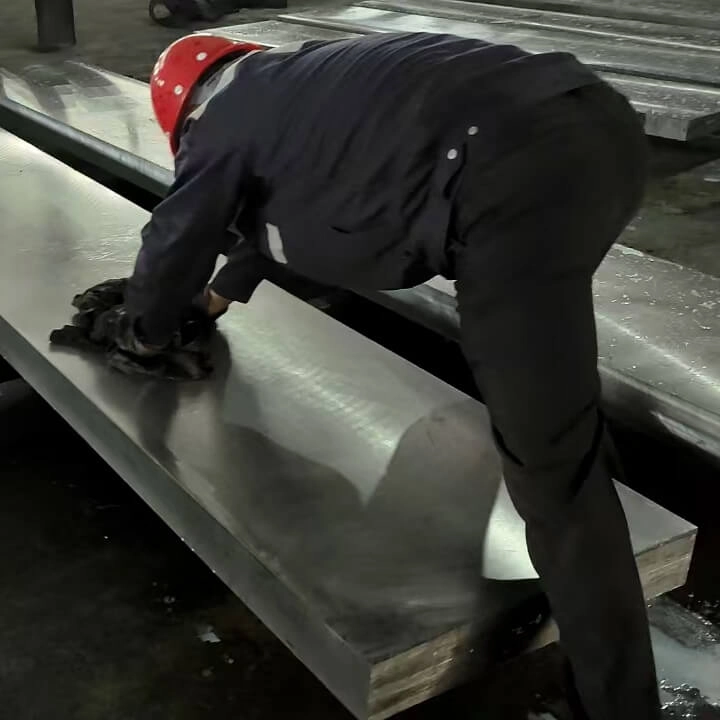
- Visually inspect tool steel surfaces for cracks, folds, oxidized skin and other defects to ensure surface integrity;
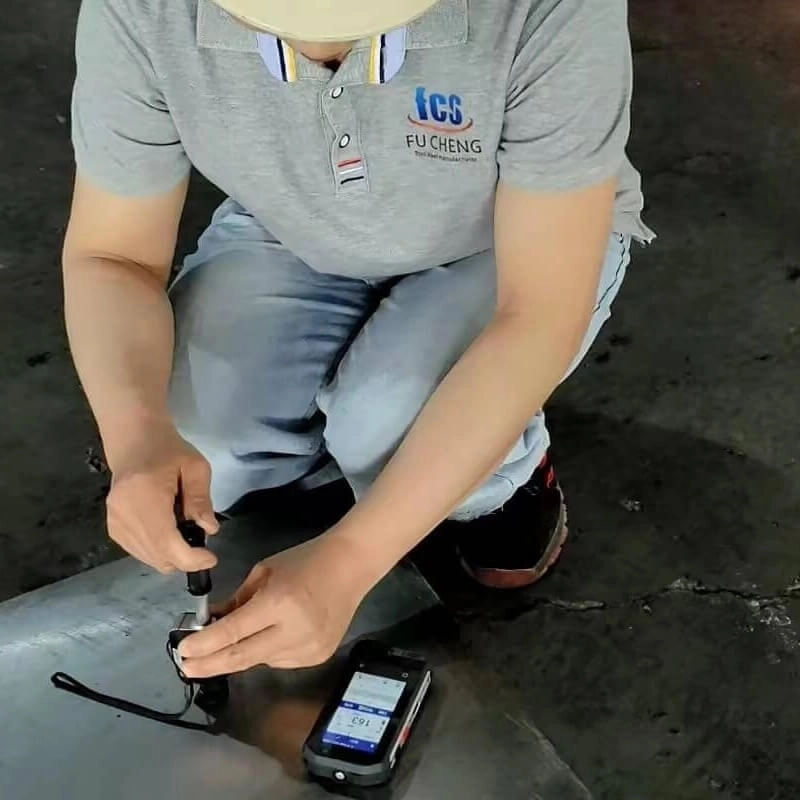
- Multi-element simultaneous analysis of alloying elements using full-spectrum direct reading spectrometer to verify that the chemical composition meets the standard requirements.
- Using tape measure, high-precision vernier calipers (0.02mm) and other professional gauges, we carry out strict testing of length, diameter, aperture and other dimensions as well as key tolerances of the mating parts to ensure compliance with the contract requirements.
Mechanical and internal quality inspection
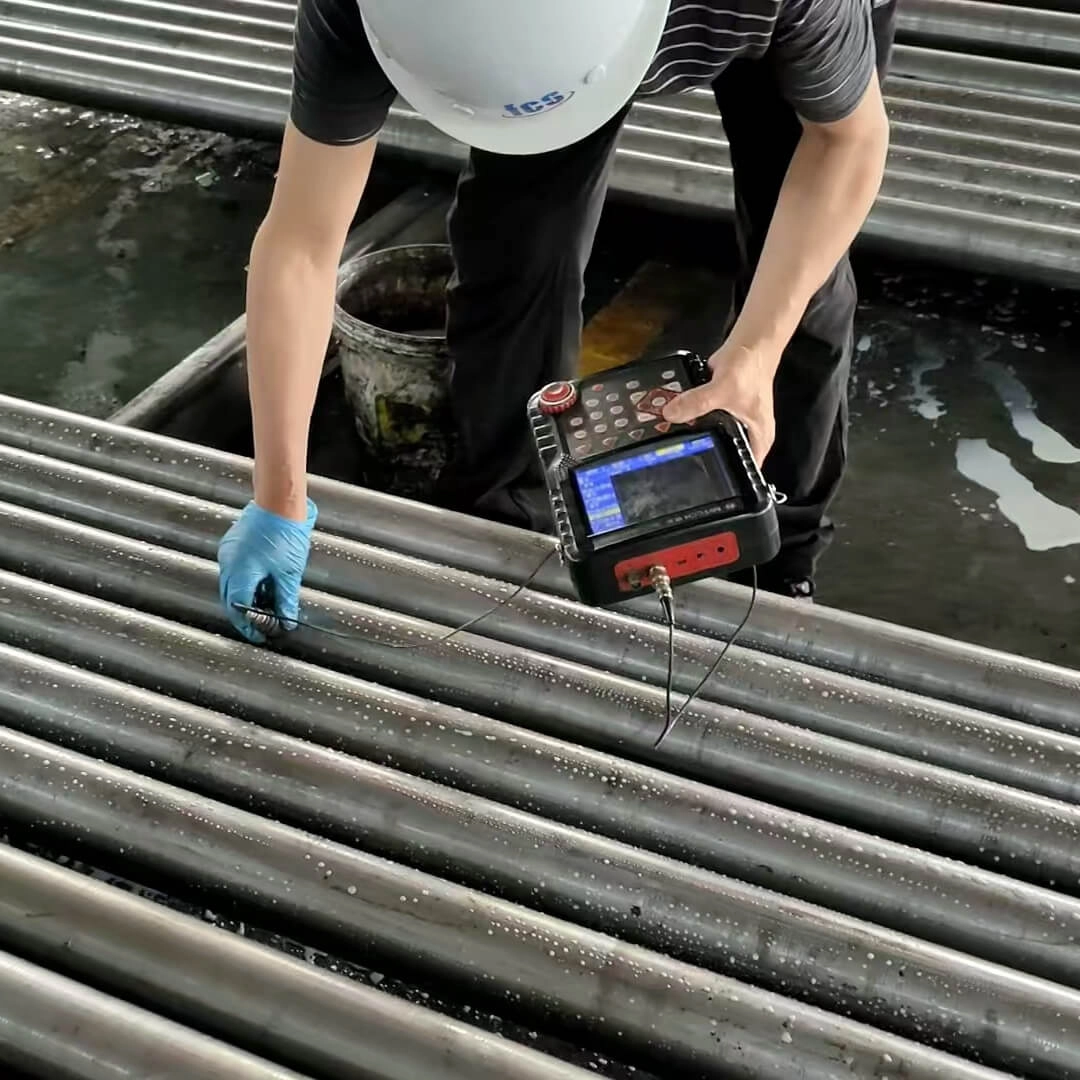
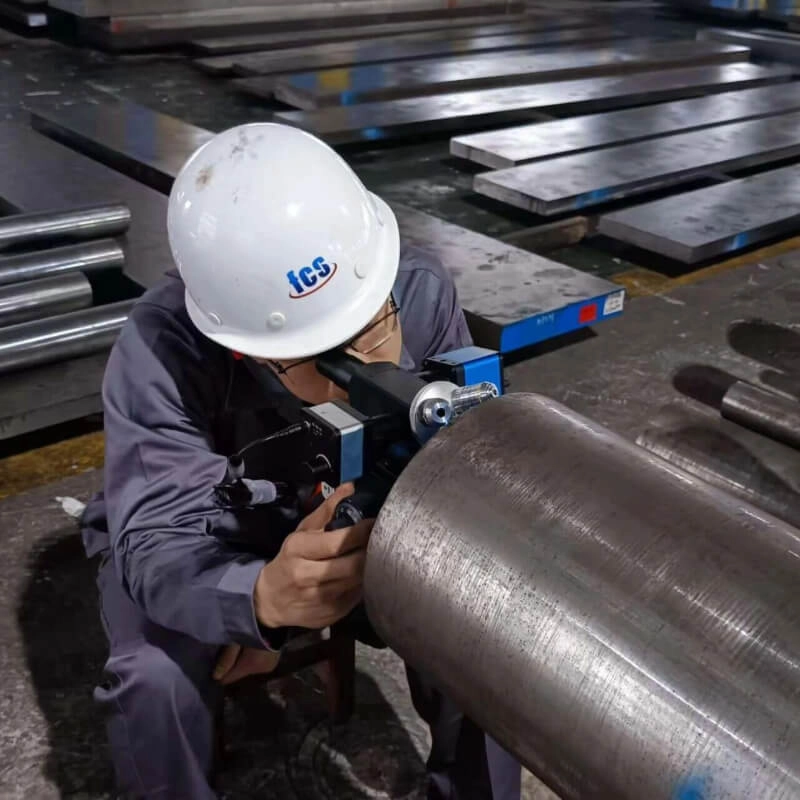
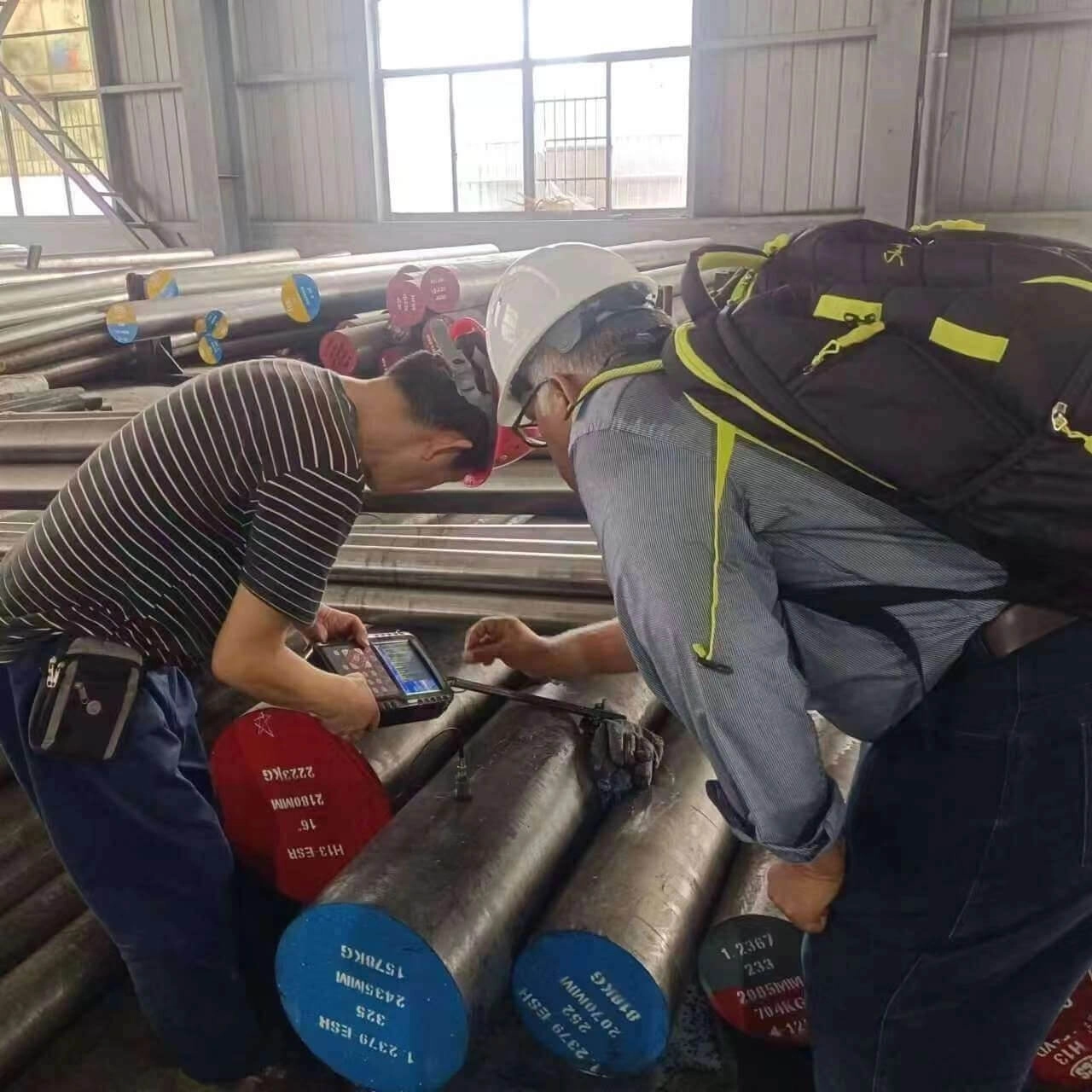
- According to SEP 1921-84 Class3 D/d,E/e standard, we use ultrasonic testing equipment to carry out internal flaw detection on the tool steel, to check the macro defects such as cracks, shrinkage holes, inclusions, etc.
- In addition, with the help of metallographic organization analysis instrument, we will inspect the tool steel to ensure that it meets the contract requirements.
- Observe the microstructure with the help of metallurgical organization analysis instruments, and assess the rationality of heat treatment process through grain size rating, to comprehensively safeguard the potential of material mechanical properties and metallurgical quality.
10+
Test content
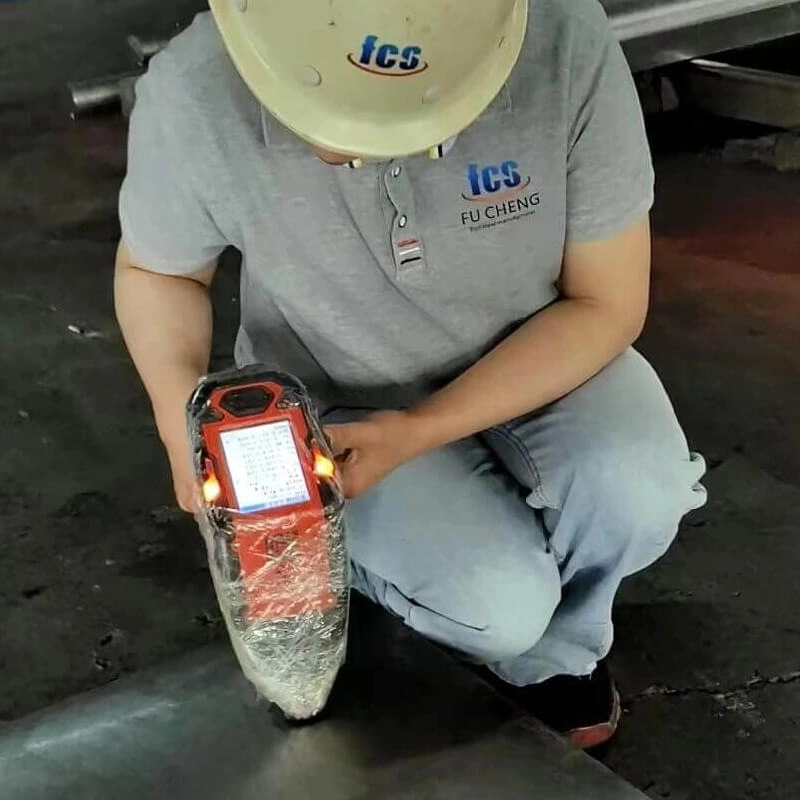
Visiting activity
Customer Visit Factory
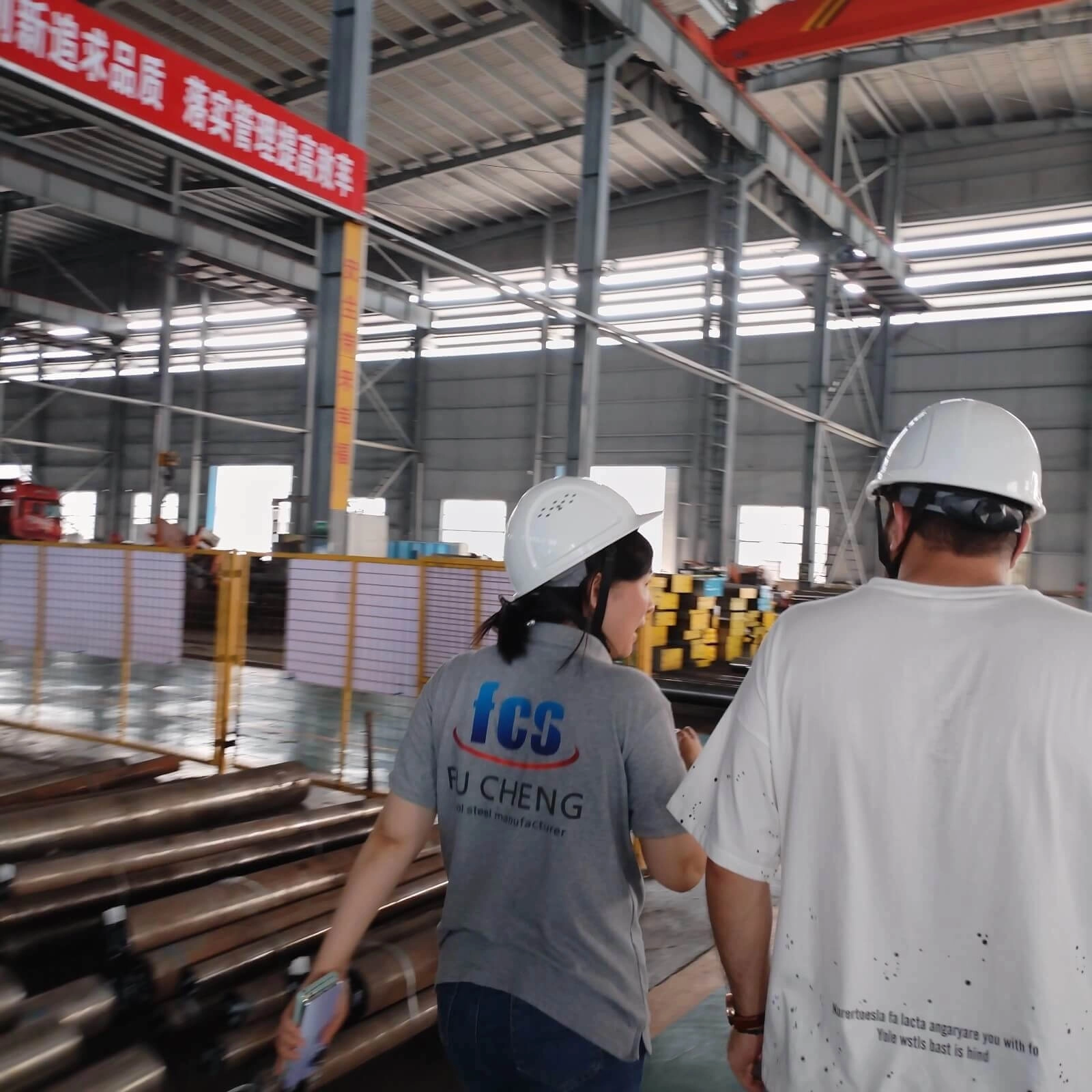
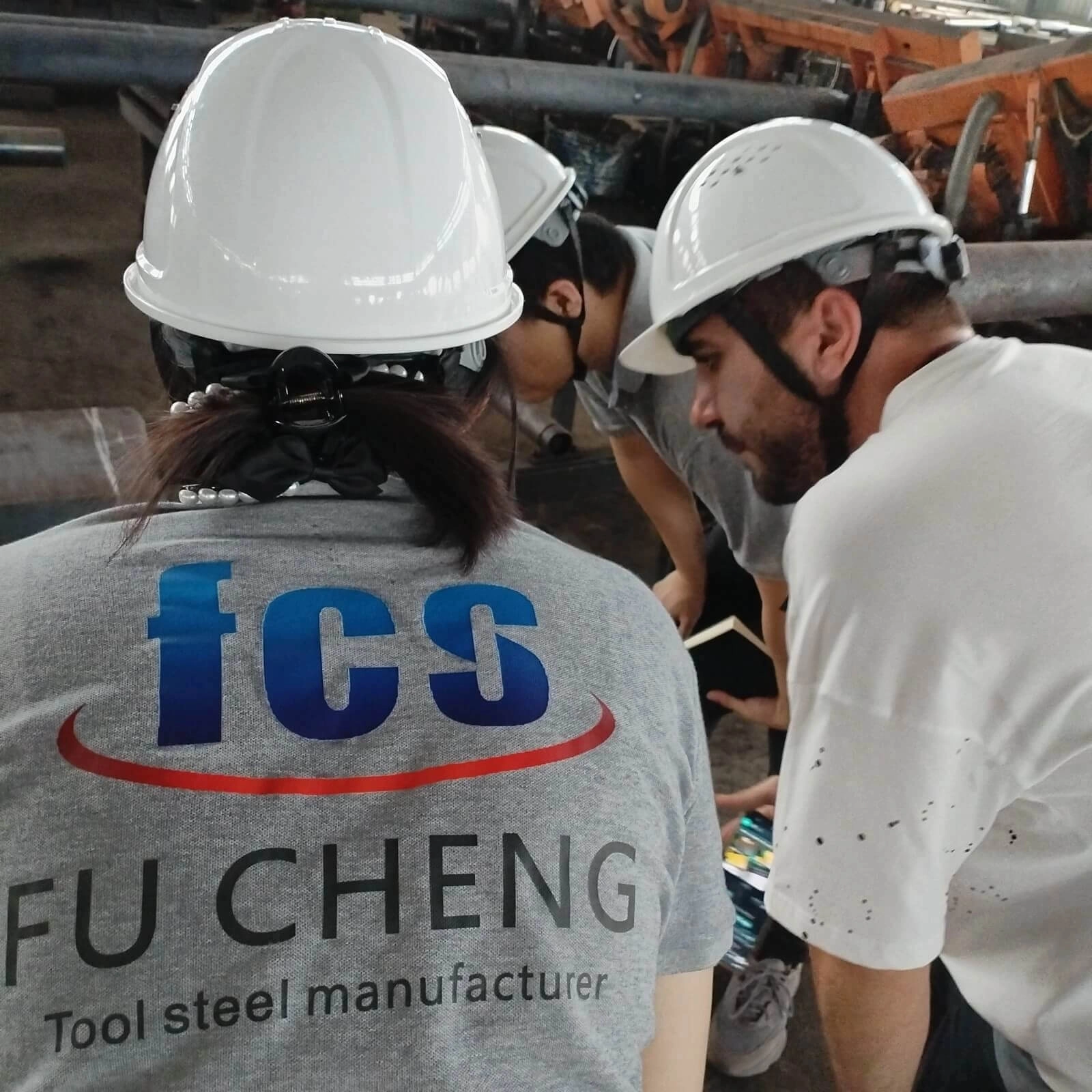
The factory visit provided customers with a valuable opportunity to gain a deeper understanding of our comprehensive strength and commitment to quality, leaving them with an extremely deep impression. Core highlights include:
- Whole chain site visit: Customers visited the tool steel production workshop, advanced machinery and equipment, and efficient storage area, and visualized the complete process from production to delivery.
- Professional solution docking: The sales team elaborated the product specifications, wide range of application scenarios, and focused on customized solutions to meet specific needs, demonstrating strong market response and service capabilities.
- Transparent and Rigorous Quality Control: The technical team demonstrated the strict quality control process using cutting-edge testing equipment. Customers witnessed the meticulous inspection of each batch of products, and the transparent real-time test results provided strong evidence of product performance, integrity and compliance with the highest industry standards.
100%
Customer Satisfaction
NEWS
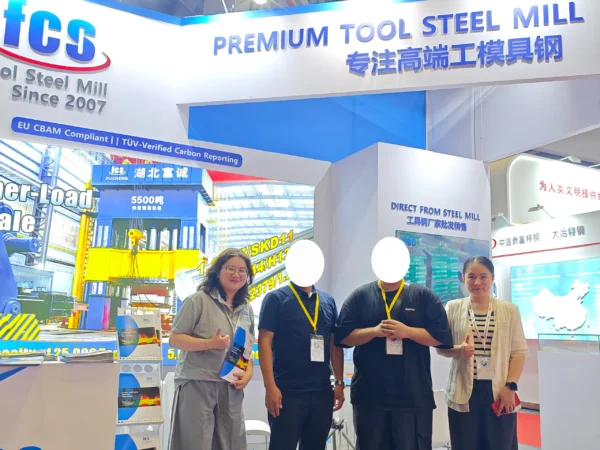
DMC 2026 – China International Die & Mould Technology and Equipment Exhibition
TIME: July 1st to 4th,2026
Booth : 3F28, Hall 3F
National Exhibition and Convention Center (Shanghai Hongqiao)
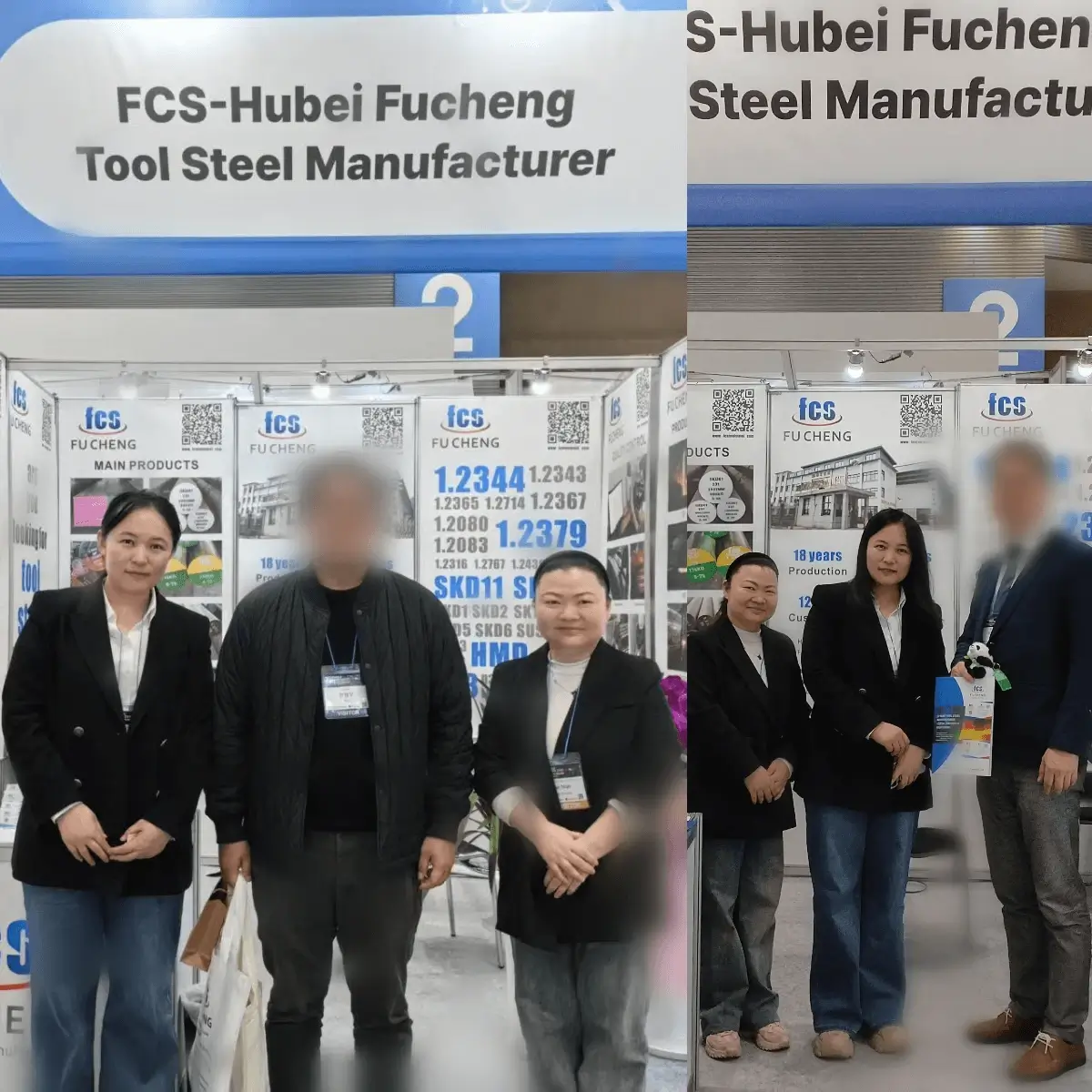
THE 27th KOREA INT’L DIE · MOLD&RELATED INDUSTRY EXHIBITION
TIME: March 11th to 14th,2025
Booth No.: M217, Hall 1, Pavilion 2
Add:217-60,KINTEX-ro,llsanseo-guGoyang-si, Gyeonggi-do, Korea
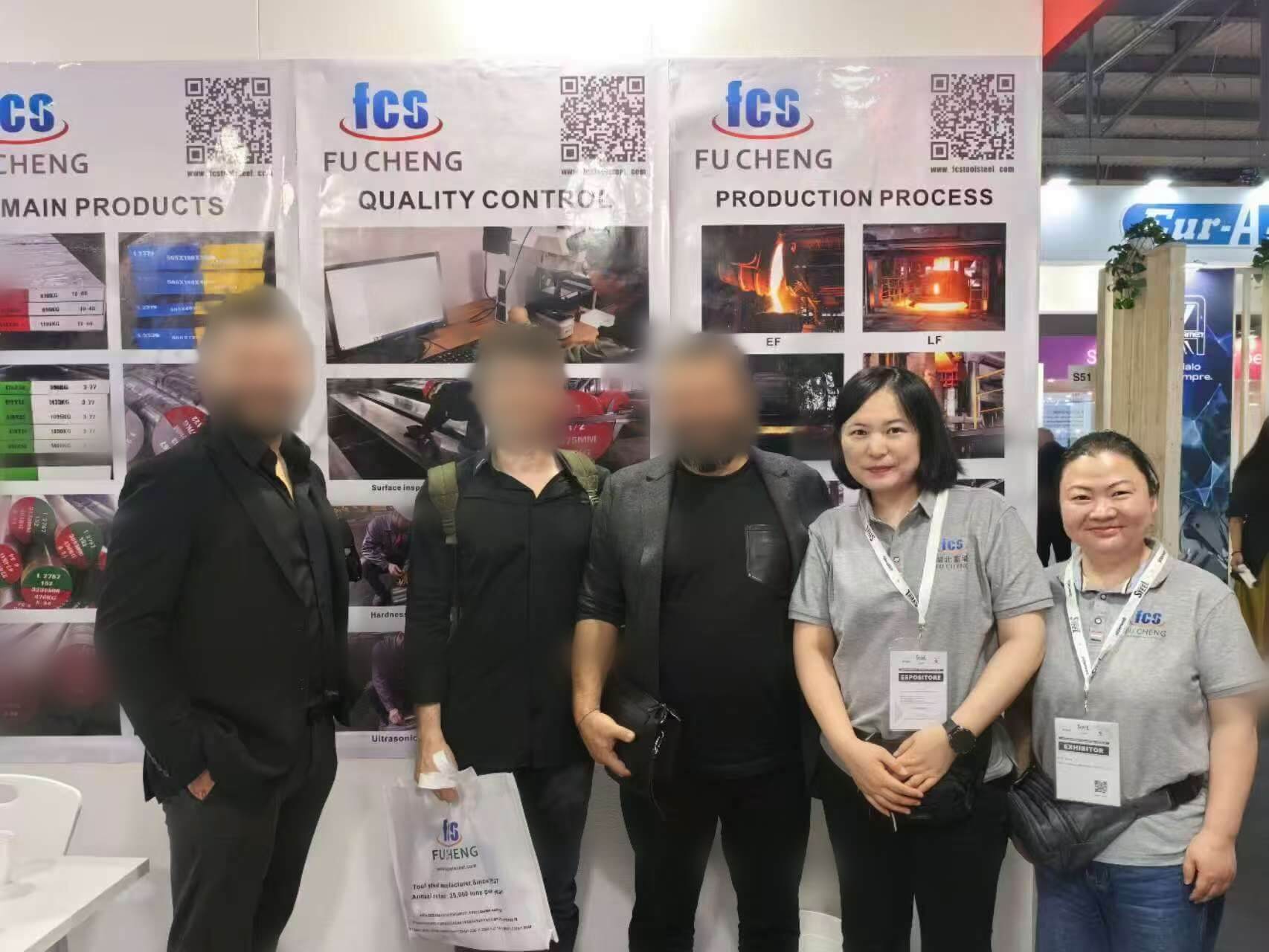
The International Metal Products and Steel Industry Exhibition of Italy
TIME:6th-8th, May, 2025
Booth No.:Hall 22 R5103
Add: Fieramilano Rho, Strada Statale Sempione28 20017 Rho-Milano,ltaly
Customer satisfaction
Orders
Country of sale
Annual output/Unit: tons
WHY CHOOSE FCS STEEL
We Have Many Parteners All around the world






Optimize your tool’s performance immediately
Take the first step towards achieving manufacturing excellence by consulting with our tool steel experts. Our team will analyze your specific requirements and recommend the best material solution for your unique challenges. Don’t let substandard materials limit your manufacturing potential.
Request a Consultation Today!

“Our company is a large-scale mold manufacturing enterprise with high demand for mold steel and strict requirements on delivery cycles.
Over the three years of cooperation with FCS Tool Steel, its stable annual production capacity of 5,0000 tons has completely resolved our concerns about raw material supply, and there has never been any order delay caused by insufficient production capacity of the manufacturer.
What is even more commendable is that the 2,000-ton standing inventory provides a perfect response to urgent order needs. At the end of last year, we needed an additional 150 tons of SKD11 mold steel for a batch of urgent mold orders.
After contacting FCS, they coordinated the inventory and arranged shipment on the same day, and the raw materials were delivered to our factory within 3 days, helping us successfully meet the customer’s delivery deadline.
This dual guarantee of “production capacity + inventory” gives us more confidence in the fierce market competition, making FCS a long-term trustworthy partner.”

Technical Director
Automotive Stamping Supplier
“As a mechanical parts manufacturer serving the global market, our products need to meet the standard requirements of customers from different countries, which places high demands on the standard customization capability of raw materials.
FCS Tool Steel supports customization of multiple standard systems including ASTM, DIN EN, KS, and JIS, which perfectly aligns with our diverse needs. Previously, when we produced a batch of precision parts for Japanese customers, we needed H13 mold steel that complies with JIS standards.
FCS not only quickly provided samples that meet the standards but also attached a detailed material testing report, with all indicators accurately meeting the requirements.
During the subsequent bulk procurement process, the standard consistency of each batch of products was maintained extremely well, with no quality deviations. This professional customized service has eliminated many worries for us in expanding the international market, resulting in an excellent cooperation experience.”

Sharon Moore
Precision Aerospace components
“In the R&D and production of molds, our company uses various types of tool steel.
The multiple popular models supported by FCS Tool Steel, such as SKD11, SKD61, D2, H13, 1.2344, 1.2379, 1.2316, and D6, basically cover all our needs.
There is no need to purchase from multiple suppliers, which greatly simplifies the supply chain management process.
More importantly, the quality of FCS’s products is extremely reliable. We conduct tests on key properties such as hardness and toughness for each batch of tool steel purchased, and the results consistently meet the standards.
The service life of molds produced using FCS’s products is 15% longer on average compared to those using products from other brands, effectively reducing our production costs.
In addition, their after-sales team is also very professional and can provide timely solutions when technical problems arise. This dual excellent experience of “product + service” makes us willing to maintain a long-term cooperative relationship with FCS.”

Pamela Cooper
Die Casting,Inc.
Get In Touch
Address
128 Zhangzhihe Avenue,Hekou Town,Xisai District,Huangshi city,Hubei Province,China